

The 16 best cross-country skiing brands
Madshus, Rossignol and Salomon lead our ranking of 16 cross-country skiing brands. Compare what each brand makes, visit its official site, or shop it online.
Cross-Country Skiing brands, ranked
TSCentral is reader-supported: we may earn a commission when you shop through links on this page. It does not affect the ranking.
-
1

Madshus
Madshus is a Norwegian maker known for racing and touring cross-country skis.
Website: madshus.com |Brands like Madshus
Popularity 10.0/10
-
2

Rossignol
Rossignol makes cross-country skis, boots, and bindings across racing and recreational lines.
Website: rossignol.com |Brands like Rossignol
Popularity 6.4/10
-
3
Salomon
Salomon makes cross-country skis and boots, including its Pro and Escape Nordic lines.
Website: salomon.com |Brands like Salomon
Popularity 5.4/10
-
4
Karhu
Karhu is a Finnish brand known for classic and skate cross-country skis.
Website: karhu.com |Brands like Karhu
Popularity 5.0/10
-
5

Kneissl
Emerging from the snowy hills of Austria, Kneissl is one of the most reputed ski brands in the world. They combine classic design with the latest technology to manufacture world-class skis that make the experience of gliding over frozen H2O delightful. Their product line includes skis for various environments that offer exceptional handling and manoeuvrability thanks to their Sandwich Sidewall technology. Their high-performance skis are a result of excellent engineering.
Website: kneissl.com |Brands like Kneissl
Popularity 4.8/10
-
6

ATOMIC
Atomic makes Nordic cross-country skis and boots alongside its better-known alpine skis.
Website: atomiccoffeemachines.com.au |Brands like ATOMIC
Popularity 4.6/10
-
7

Rottefella
Rottefella is known for cross-country ski bindings, including its NNN binding system.
Website: rottefella.no |Brands like Rottefella
Popularity 4.6/10
-
8
Alpina
Alpina Sports is known for ski goggles and helmets and has offered cross-country boots and bindings.
Website: alpinawatches.com |Brands like Alpina
Popularity 3.9/10
-
9

LEKI
LEKI makes ski poles, including cross-country poles for classic and skate skiing.
Website: leki.com |Brands like LEKI
Popularity 3.4/10
-
10
Fischer Sports
Fischer makes cross-country skis and boots for racing and recreational skiers.
Website: fischersports.com |Brands like Fischer Sports
Popularity 2.4/10
-
11

Elan
Elan is a Slovenian ski maker that has produced cross-country skis alongside alpine models.
Website: elanarray.com |Brands like Elan
Popularity 2.0/10
-
12
Garmont
Garmont is a premium brand specializing in producing high-quality shoes for outdoor activities such as mountain climbing and hiking. You'll uncover a new athletic nature-loving side of yourself once you've had the experience of being in nature in such comfortable...
Website: garmontnorthamerica.com |Brands like Garmont
Popularity 2.0/10
-
13

Dynastar
Dynastar, part of the Rossignol group, has made cross-country skis alongside its alpine line.
Website: dynastar.com |Brands like Dynastar
Popularity 2.0/10
-
14

Blizzard
Blizzard sells items that are related to the gaming community. You will find various items on their site ranging from hoodies to games. Accessories like key chains and pint glasses are also sold to gaming enthusiasts. They are dedicated to...
Website: blizzardgearstore.com |Brands like Blizzard
Popularity 1.4/10
-
15
LTD
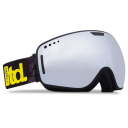
LTD is an online retailer of great-end, handcrafted sunglasses. These handmade acetate sunglasses from Italy are produced with good attention to detail and feature a timeless and classic design. A group of enthusiastic designers with experience in the fashion business...
Website: ltdoptics.com |Brands like LTD
Popularity 1.4/10
-
16

Peltonen
Peltonen is a Finnish maker of cross-country skis for classic and skate skiing.
Website: peltonenski.fi |Brands like Peltonen
Popularity 1.4/10
Official websites and social accounts
| Brand | Website | X / Twitter | YouTube | ||
|---|---|---|---|---|---|
| Madshus | madshus.com | /MadshusSkis | madshus1906 | @MadshusRacing | MadshusAcademy |
| Rossignol | rossignol.com | /rossignol | rossignol | @rossignol_1907 | rossignolchannel |
| Salomon | salomon.com | /Salomon | salomon | @salomonsports | officialsalomon |
| Karhu | karhu.com | /karhuofficial | CFwMkhvDWa7 | – | karhu1916 |
| Kneissl | kneissl.com | – | – | – | – |
| ATOMIC | atomiccoffeemachines.com.au | /Atomic-Coffee-Machine-38829232455347 | – | @atomicoffee | – |
| Rottefella | rottefella.no | /rottefella | rottefella | – | – |
| Alpina | alpinawatches.com | /AlpinaWatches | alpinawatches | @Alpinawatches | Alpina Watches International SA |
| LEKI | leki.com | /leki.ski.outdoor | leki.ski.outdoor | – | – |
| Fischer Sports | fischersports.com | /fischerhockey | fischernordic | – | – |
Cross-Country Skiing Buying Guide
Cross-country skiing is a great way to stay active during the winter months. It is a low-impact exercise that can help improve your cardiovascular health and endurance. However, before you hit the trails, it’s important to have the right equipment. This guide will help you choose the right cross-country skiing gear for your needs.
Types of Cross-Country Skiing
There are two types of cross-country skiing: classic skiing and skate skiing. Classic skiing involves a gliding motion where the skier moves their legs back and forth parallel to each other. Skate skiing, on the other hand, involves a side-to-side skating motion where the skier pushes off with the edges of the skis. Each style requires different gear.
Choosing Cross-Country Skis
The right cross-country skis will depend on what type of skiing you plan on doing.
Classic Skis
Classic skis are designed for gliding on groomed trails with parallel tracks. They are usually longer and narrower than skate skis, with a slightly curved tip and tail. Classic skis come in two styles: waxable and waxless.
Waxable Classic Skis
Waxable classic skis require regular maintenance, but they provide better glide and grip than waxless skis. With waxable skis, the skier applies grip wax to the middle section of the ski to improve traction. Glide wax is applied to the tips and tails to improve speed.
Waxless Classic Skis
Waxless classic skis have a fish-scale pattern on the base of the ski to provide grip. They are low maintenance and easier to use than waxable skis, making them a good choice for beginners.
Skate Skis
Skate skis are designed for skating on groomed trails. They are shorter and wider than classic skis, with a flat tip and tail. Skate skis come in two styles: race and sport.
Race Skate Skis
Race skate skis are designed for experienced skiers who are looking for maximum speed and performance. They are usually stiffer and longer than sport skate skis, with a narrower profile.
Sport Skate Skis
Sport skate skis are more forgiving than race skate skis and are a good choice for beginners and intermediates. They are usually softer and shorter than race skate skis, with a wider profile.
Ski Length
The right ski length will depend on your weight and height. Most manufacturers provide a ski sizing chart that will help you choose the right length. A general rule of thumb is that the ski should reach between your chin and the top of your head when standing upright.
Ski Width
The width of the ski will depend on the type of skiing you plan on doing. Classic skis are usually narrower than skate skis. The width of the ski also affects its stability. Wider skis are more stable but slower, while narrower skis are faster but less stable.
Choosing Cross-Country Ski Bindings
The bindings are the part of the ski that attach your boot to the ski. There are two types of bindings: NNN and SNS.
NNN Bindings
NNN bindings are compatible with NNN boots and provide good stability and control. They are a popular choice for classic skis.
SNS Bindings
SNS bindings are compatible with SNS boots and provide good power transfer and ski control. They are a popular choice for skate skis.
Choosing Cross-Country Ski Boots
The right boot will depend on your skiing style and binding type.
Classic Ski Boots
Classic ski boots are designed for classic skiing and are usually soft and flexible to provide good range of motion in the ankle. They are compatible with NNN bindings.
Skate Ski Boots
Skate ski boots are stiffer than classic ski boots to provide better power transfer and control. They are compatible with SNS bindings.
Other Considerations
Aside from skis, bindings, and boots, there are a few other things to consider when buying cross-country skiing gear.
Poles
Cross-country ski poles should be the right length for your height, with a comfortable grip and wrist strap. Classic ski poles are longer than skate ski poles.
Clothing
Cross-country skiing can be a cold and sweaty activity, so it’s important to dress in layers. A base layer made of moisture-wicking material, a mid-layer for warmth, and a windproof outer layer is a good combination. Don’t forget a hat, gloves, and a neck gaiter or balaclava.
Goggles or Sunglasses
Snow and sun glare can be harsh on your eyes, so it’s important to protect them with goggles or sunglasses.
Conclusion
Cross-country skiing is a fun and healthy way to stay active during the winter months. Choosing the right gear is important for enjoying the sport safely and efficiently. Consider your skiing style, height, weight, and skill level when selecting skis, bindings, and boots. Dressing appropriately and protecting your eyes is also important. Happy skiing!
| Type | Key Features | Pros | Cons |
|---|---|---|---|
| Classic Skis (Waxable) | Better glide and grip than waxless skis. Must apply grip wax and glide wax regularly. | More control and stability. Better performance overall. | Require more maintenance. Can be slightly slower on hard-packed snow. |
| Classic Skis (Waxless) | Low maintenance. Have a fish-scale pattern on the base for grip. | Easy to use. Good for beginners. Better on soft snow. | Less control and stability. Slightly slower on hard-packed snow. Tend to ice up on wet snow. |
| Skate Skis (Race) | Stiffer and longer than sport skate skis. Narrow profile for maximum speed and performance. | Best choice for experienced skiers. Maximum speed and power transfer. | Less forgiving than sport skate skis. May be less stable for beginners. |
| Skate Skis (Sport) | Softer and shorter than race skate skis. Wider profile for more stability. | Forgiving for beginners and intermediates. Good balance between speed and stability. | Not as fast or powerful as race skate skis. May be too stable for some skiers. |


