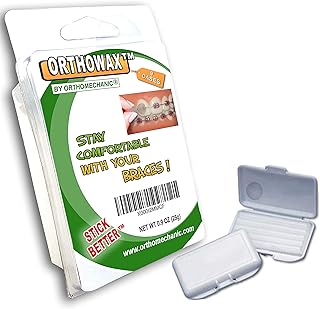
The 25 best dental cement brands
Prevest DenPro, Shofu and Ivoclar Vivadent lead our ranking of 25 dental cement brands. Compare what each brand makes, visit its official site, or shop it online.
Dental Cement brands, ranked
TSCentral is reader-supported: we may earn a commission when you shop through links on this page. It does not affect the ranking.
-
1
Prevest DenPro
Indian manufacturer whose glass ionomer, zinc oxide and light-cure liner kits suit routine restorations at accessible prices.
Top products: Micron Superior 2· Fusion I-Seal· ZiteMp
Website: prevestdenpro.com |Brands like Prevest DenPro
Popularity 10.0/10
-
2
Shofu
Flowable composites from Shofu cover bulk-fill and restorative work, backed by a long porcelain-tooth heritage.
Top products: Beautifil Bulk Flowable
Website: shofu.com.sg |Brands like Shofu
Popularity 8.3/10
-
3
Ivoclar Vivadent
Liechtenstein-based leader whose Variolink luting cements suit aesthetic, bonded restorations and veneers.
Top products: Variolink Esthetic· Te-Econom Plus
Website: ivoclarvivadent.com |Brands like Ivoclar Vivadent
Popularity 7.5/10
-
4

DENTSPLY
Large dental group whose Calibra self-adhesive resin cement and IRM zinc oxide materials cover most cementation needs.
Top products: Calibra Universal· IRM
Website: dentsplysirona.com |Brands like DENTSPLY
Popularity 7.4/10
-
5
PYRAX
Zinc phosphate and dual-cure resin cements from this Indian supplier cover permanent crown and filling fixation.
Top products: Dual Bond Dual Cure Resin
Website: pyraxpolymars.in |Brands like PYRAX
Popularity 6.5/10
-
6
Angelus
Its MTA Angelus repair and pulp capping cement is a root canal staple, alongside ready-to-use bioceramic sealer syringes.
Top products: Bio C Sealer· Bio C Repair
Website: angelus-watches.com |Brands like Angelus
Popularity 5.2/10
-
7
COLTENE
Swiss dental group with glass ionomer and resin luting cements, plus root canal and finishing products.
Website: global.coltene.com |Brands like COLTENE
Popularity 5.1/10
-
8

Dentex
Restorative materials for dental offices come from Dentex, including light-cure composite resin syringes in multiple shades. The range also has flowable dual-cure composite for core build-ups, an acid etching gel and curing lights. The composites are described as radiopaque and fluoride-releasing, and the etching gel prepares enamel and dentin for bonding.
Website: dentex.net |Brands like Dentex
Popularity 4.8/10
-
9

VOCO
German family firm offering composites, adhesives and luting cements, prized for consistent shade and handling.
Website: voco.dental |Brands like VOCO
Popularity 3.8/10
-
10

Kuraray
Veneer and crown cements from this Japanese group are widely used by general dentists.
Top products: PANAVIA V5· PANAVIA Veneer LC
Website: kuraray.eu |Brands like Kuraray
Popularity 3.8/10
-
11

Parkell
US company since 1948 making dental cements, bases and bonding products used across general practice.
Website: parkell.com |Brands like Parkell
Popularity 3.1/10
-
12

3M ESPE
Science group's ESPE line provides RelyX luting cements and restorative materials for dental practices.
Website: 3m.com |Brands like 3M ESPE
Popularity 2.7/10
-
13
-
14

DSI
Israeli supplier offering automix self-adhesive resin cements for crowns, bridges and implants, dispensed through mixing tips.
Website: dsisrael.com |Brands like DSI
Popularity 2.6/10
-
15

Tokuyama
Super Bond C&B self-cure resin cement bonds crowns, bridges and orthodontic brackets in a two-paste system.
Website: tokuyama-us.com |Brands like Tokuyama
Popularity 2.6/10
-
16
PRIME-DENT
Manufacturer offering temporary non-eugenol, dual-cure and glass ionomer luting cements in syringe kits.
Top products: Dual Cure Automix
Website: primedentalmfg.com |Brands like PRIME-DENT
Popularity 2.5/10
-
17

META BIOMED
Korean maker of dental instruments and biomaterials, producing sutures alongside its cement and filling lines.
Website: meta-biomed.com |Brands like META BIOMED
Popularity 2.5/10
-
18
DMG
Dental products grouped by clinical problem, from this firm's cements to lab composites.
Website: dmg-america.com |Brands like DMG
Popularity 2.3/10
-
19
BISCO
Dual-cure and light-cure syringes for crowns and veneers come from this maker, active since 1981.
Top products: Duo-Link· Choice 2
Website: bisco.com |Brands like BISCO
Popularity 2.2/10
-
20
Medicept
Medicept has been manufacturing dental products since 1996. Their products are ISO certified, and they sell high-quality items. It focuses on selling, promoting, and marketing the full range of dental cement and filling products that satisfy the highest standards in...
Website: mediceptdental.co.uk |Brands like Medicept
Popularity 2.1/10
-
21

Kulzer
Composites and cements for restorative and prosthetic work come from this German firm.
Website: kulzer.com |Brands like Kulzer
Popularity 2.0/10
-
22

ITENA
French manufacturer offering cements, fixation bases and prosthetic materials for dental surgeons.
Website: itena-clinical.com |Brands like ITENA
Popularity 1.6/10
-
23

Premier
Temporary resin and self-adhesive cements from Premier Dental suit zirconia and implant crowns.
Website: premierhousewares.com |Brands like Premier
Popularity 1.6/10
-
24

Easyinsmile
Easyinsmile provides dental equipment and dental products for improving checkups and treatment quality. Dental chairs are more significant and lighter for four-handed technique, easy to use, and clean. The Semi-Wet system automatically separates the liquid, solid, and residue blood, preventing...
Website: easyinsmile-direct.com |Brands like Easyinsmile
Popularity 1.4/10
-
25
Silmet
Estonian maker of restorative materials offering cements and composites as lower-cost alternatives to major names.
Website: silmetdental.com |Brands like Silmet
Popularity 1.4/10
Official websites and social accounts
| Brand | Website | X / Twitter | YouTube | ||
|---|---|---|---|---|---|
| Prevest DenPro | prevestdenpro.com | /prevestdenpro | – | @Prevest_Denpro | Prevest DenPro |
| Shofu | shofu.com.sg | /shofudentalapac | shofudentalapac | @sdaapac | Shofu Dental Asia-Pacific |
| Ivoclar Vivadent | ivoclarvivadent.com | /ivoclarvivadent | ivoclarvivadent_int | @Ivoclar_Int | – |
| DENTSPLY | dentsplysirona.com | /dentsplysirona.india | – | – | – |
| PYRAX | pyraxpolymars.in | – | – | – | – |
| Angelus | angelus-watches.com | /angelus.watches | angelus_watches | @angelus_watches | – |
| COLTENE | global.coltene.com | – | – | – | coltenewhaledent |
| Dentex | dentex.net | – | – | – | – |
| VOCO | voco.dental | – | – | – | – |
| Kuraray | kuraray.eu | – | – | – | – |
Dental Cements Buying Guide
Introduction
Dental cements are commonly used in dentistry for numerous purposes such as filling cavities, cementing crowns, bridges, and inlays. Dental cements provide a strong and durable bond to the tooth structure and the dental prosthesis. The selection of the right dental cement is crucial for the longevity and success of the restoration.
Types of Dental Cements
There are several types of dental cements available in the market, each with its own composition and properties. The most common types of dental cements are:
- Glass ionomer cements
- Zinc phosphate cements
- Zinc oxide-eugenol cements
- Polycarboxylate cements
- Resin-modified glass ionomer cements
- Composite resin cements
Factors to Consider while Buying Dental Cements
While choosing the right dental cement, several factors should be considered, such as:
- Compatibility with the substrate: The dental cement should be compatible with the tooth structure and the restoration material. A mismatch in the coefficient of thermal expansion can result in leakage or fracturing of the restoration.
- Setting time: The setting time of the dental cement should be appropriate for the procedure. A faster setting time is preferable for cementing temporary crowns, whereas a slower setting time is suitable for cementing permanent crowns.
- Bond strength: The bond strength of the cement to the tooth and the restoration is critical for the success of the restoration. The bond strength should be strong enough to resist the biting forces generated during mastication.
- Biocompatibility: The dental cement should not cause any adverse biologic reactions such as allergic reactions, irritation, or inflammation.
- Esthetics: The dental cement should blend well with the tooth structure and restoration to provide a natural appearance.
- Degree of solubility: The dental cement should not dissolve or wash out under oral conditions, as it may affect the longevity of the restoration. However, it should be easily removable if necessary for any reason.
- Ease of use: The dental cement should be user-friendly and easy to handle.
- Clinical indications: The dental cement should be suitable for the particular clinical indication for which it is being used.
Dental Cement Comparison Chart
| Cement Type | Composition | Advantages | Disadvantages |
|---|---|---|---|
| Glass ionomer cement | Acidic powder and basic liquid that react to create a chelation bond | Good bond strength, fluoride release, biocompatibility, esthetic appearance, and low solubility | Low mechanical strength, sensitivity to moisture during setting, and longer setting time compared to other cements |
| Zinc phosphate cement | Zinc oxide powder mixed with phosphoric acid liquid | High bond strength, low solubility, and low film thickness | High acidity can cause pulp irritation, lack of fluoride release, poor esthetics, and can dissolve in oral conditions if not handled properly |
| Zinc oxide-eugenol cement | Zinc oxide powder mixed with eugenol liquid | Good sedative effect on the pulp, low solubility, and good sealing ability | Poor bond strength, weak mechanical properties, lack of fluoride release, and poor esthetics |
| Polycarboxylate cement | Polycarboxylic acid mixed with zinc oxide powder | Good bond strength, low solubility, biocompatibility, and good esthetics | Insensitive working time, lower mechanical properties compared to other cements, and lack of fluoride release |
| Resin-modified glass ionomer cement | Resin-modified glass ionomer powder mixed with acidic liquid | Good bond strength, fluoride release, improved mechanical properties compared to glass ionomer cements, and esthetic appearance | Higher viscosity and lower marginal adaptation compared to other cements, curing light sensitivity, and moisture sensitivity |
| Composite resin cement | Methacrylate-based resin mixed with catalyst and accelerator | High bond strength, good mechanical properties, esthetic appearance, and good handling properties | Low fluoride release, sensitivity to water during setting, and higher film thickness compared to other cements |
Conclusion
Dental cements are an essential component of dental restorative procedures. Choosing the right dental cement based on the clinical indication, substrate, and desired properties is crucial for the success and longevity of the restoration. Dentists and dental technicians should keep themselves updated with the latest dental cement developments in order to provide the best dental care for their patients.