
The most popular brands for Gasket Material Includes Fel-Pro, Victor Reinz, Elring, VICTOR, Custom Accessories, Perfect Parts, Remflex, MAHLE, Mercedes-Benz, CARQUEST among many others.

Established in 1918 in Chicago, Felt Products Manufacturing Company produced felt seals for the Ford Model T. Later on, Fel-Pro expanded its production to make better quality seals and gaskets for automobiles. Today, they have completed over 100 years, and the company still aims to develop its quality with new technologies, innovations, and designs. They have different gaskets for engine repair, leak repair, and marines.

Victor Reinz is an automobile spare parts manufacturing brand, a subsidiary of Dana Holding Corporation. They manufacture original equipment and surplus parts for automobiles with innovative technology, design, and the highest OEM quality. The workforce of Victor Reinz manufactures their products with utmost passion and dedication, delivering the parts to their customers in as little time as possible. Their product catalog includes gasket material - cylinder-head gaskets, valve cover gaskets, intake manifold gaskets, exhaust manifold gaskets, and sealants. They offer tutorials and guides on their website portal as a part of their service to their customers.

Elring cylinder-head gaskets aid in engines' efficient, safe, and cost-effective operation. Elring offers a wide selection of gasket sets, gaskets, service parts, and sealing compounds to meet the market's needs. Elring delivers rotary beam monograms and stem stamps for motors. The transmissions and axles are some with sensors that have different techniques, textiles, and measures to approved quality requirements. Elring is a brand that stands for exceptional quality, safety, service, availability, and dependability worldwide.
Are you trying to get rid of all those rodents getting on your nerves? If yes, then Victor has your back as they are the best in the lot. Victor brings you unique Pest Chaser devices like ultrasonic repellents, electronic traps, Wi-Fi enabled traps, and many more such high-tech solutions that eliminate the constant chasing. The Smart-Kill devices come with a free application that keeps track of the catches.

They have a large selection of unique truck accessories for your Ford F-150 and Super Duty at Wild Willies. They have everything you'll need to tailor your car to your preferences and lifestyle. Their entire service business will help you with flares to bed railings. Contact us right now! Wild Willies pays for the best quality parts for your vehicle, like grilles, lighting, wheels, running boards, hoods, nerf bars, bed covers, and toolboxes.
Perfect Parts Corporation Perfect Parts is an Electronic Component Distributor. Locate over 425 million unique electronic parts across 400 categories, and 4000 suppliers. Find stock now. Electronic Part, Electronic Components, Electronic Component, Electronic Parts, Electronic Part, Online Shopping, Online Shopping Electronics, Electronics Online, Electronic Catalog, Electronics Catalog, E-commerce Platform, Online Catalog, Electromechanical, Electromechanical Components, Semiconductors, Interconnects, Passive Electronic Components, Passives, Largest Electronic Component Database, datasheets, datasheet, data sheet, RoHS, Compliance, Environmental Compliance, Conflict Minerals, Perfect Parts Distributor, Electronic Components Online, Electronic Applications, Application, Applications, Cross Reference, Part Search, BOM, Bill of Material, BOM Management, REACH, Environmental
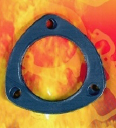
Remflex Inc., a family-run business, manufactures superior exhaust gaskets equipped with technology to stop exhaust leaks. Exhaust flange gaskets, header gaskets, collector gaskets, and more are available in addition to exhaust gaskets. With temperatures typically exceeding 2,000 degrees, the special flexibility of graphite has been verified in industrial applications for more than 30 years. Exhaust system gaskets are available for a variety of applications, whether it's a race car with custom-built headers or an old pick-up truck that requires a manifold gasket.

MAHLE is a world-leading engine, transmission, and vehicle development system solutions supplier. MAHLE also develops and manufactures filters, sensors, and...
As Mercedes-Benz was born from Karl Benz’s vision, its cars have come to symbolize superior engineering and design quality. Mercedes-Benz...

Customers can shop for excellent replacement parts, tools, equipment, and accessories for their cars, trucks, and sport utility vehicles at...

Cometic is your complete solution to all your engine and gasket-related queries and problems. They have made their name in...

Since 1954, EMPI has been providing automotive solutions at reasonable costs. They offer top-notch car parts that people trust worldwide...

Corteco is a leading brand name that supplies sealing and vibration technology in the world. They have over 26,000 original...
ITM Engine Components is a global distributor of internal engine components for Asian and European automobiles. They are one of...

Northern Radiator is a one-stop solution for superior quality heating and cooling systems for industries. They started in 1971 and...

Keeping their customers a priority, Permatex has been delivering its motto since 1909. It manufactures chemical automobile repair products for...
A gasket is a mechanical seal that is used to prevent the leakage of fluids or gases between two different surfaces that are in contact with each other. It is used in various industrial applications such as automotive, aerospace, oil and gas, and manufacturing. There are different types of gaskets available in the market, and each type is made from different materials. Choosing the right gasket material is critical to ensure that the gasket can withstand the operating conditions and prevent leakage. In this buying guide, we will discuss the different types of gaskets and their materials to help you choose the right one for your application.
There are four primary types of gaskets:
Sheet gaskets are the most common type of gaskets used in industrial applications. They are made from a variety of materials, and their thickness ranges from 0.5mm to 6mm. The materials used for sheet gaskets include:
Sheet gaskets are cut to fit the shape and size of the surface it seals. They are easy to manufacture, and their low cost makes them an ideal option for low-pressure applications.
Spiral wound gaskets are made by winding a metal strip and a non-metallic filler material such as graphite, PTFE, or mica alternatively. The metal strip provides the gasket with structural support, while the filler material provides sealing properties. Spiral wound gaskets are commonly used in high-temperature and high-pressure applications. The materials used in spiral wound gaskets include:
The choice of material depends on the specific application and the operating conditions.
Ring gaskets, also known as RTJ (Ring Type Joint) gaskets, are used in high-pressure applications. They are soft and can be compressed to create a seal. They are available in different materials such as:
Ring gaskets have a groove on the surface that fits into the flange's groove. This design ensures that the gasket does not move out of place during operation.
Camprofile gaskets are made from a metal core with a non-metallic filler material on each side. The metal core is usually made from stainless steel, and the filler material is made from graphite, PTFE, or other materials. The camprofile design ensures that the gasket maintains its profile during operation, preventing it from extruding or flowing into the pipe or flange. It is commonly used in high-temperature and high-pressure applications. The materials used in camprofile gaskets include:
Choosing the right gasket material involves considering several factors. These include:
The gasket material must be able to withstand the temperature at which it will be operating. If the temperature is too high, the gasket may fail, causing leakage. The table below shows the recommended gasket materials for different temperature ranges.
| Temperature Range (°C) | Gasket Material |
|---|---|
| -240 to 204 | PTFE |
| -240 to 454 | Non-Asbestos Fiber, Rubber |
| -240 to 871 | Metal, Graphite, Ceramic |
The gasket must be able to withstand the pressure at which it will be operating. The pressure rating of the gasket must match the flange pressure rating. The table below shows the recommended gasket materials for different pressure ranges.
| Pressure Range (psi) | Gasket Material |
|---|---|
| 0 to 150 | Non-Asbestos Fiber, Rubber |
| 0 to 3000 | Metal, Graphite, Ceramic |
| 0 to 20,000 | Spiral Wound, Ring |
The gasket material must be able to resist the chemicals that it will be exposed to. The table below shows the recommended gasket materials for different types of fluids.
| Fluid Type | Gasket Material |
|---|---|
| Water | Rubber, PTFE |
| Petroleum Products | Non-Asbestos Fiber, Graphite |
| Chemicals | PTFE, Graphite |
The gasket material must be suitable for the type of fluid that it will be sealing. For example, a gasket used in a water application may not be suitable for a chemical application.
The gasket must be compatible with the flange type. Different types of flanges require different types of gaskets.
The gasket must be compatible with the flange surface finish. The surface finish affects the gasket's ability to seal correctly. The surface finish must be kept within the manufacturer's recommended range.
The gasket must be of the appropriate size and shape for the flange that it will be sealing. The gasket must be cut to fit the flange precisely.
The gasket must be installed correctly to ensure that it can seal properly. The installation method varies based on the type of gasket.
As mentioned earlier, there are different gasket materials available in the market. We will discuss some of the most common ones below.
Rubber is a popular gasket material due to its flexibility and ability to withstand temperature and pressure variations. The most common types of rubber used in gaskets are neoprene, nitrile, silicone, and EPDM. Rubber gaskets are used in applications where there is water, oil, or steam. They are also used in food and pharmaceutical industries where they must be FDA approved.
Cork is a natural material that is used in gaskets because of its ability to compress under pressure and provide a tight seal. It can withstand temperature up to 120°C but is not suitable for acidic or alkaline applications.
Non-asbestos fiber gaskets are made from synthetic fibers and are used in applications involving oils, fuels, and other non-corrosive fluids. They can withstand temperature up to 450°C.
Grafoil is a graphite-based material used in high-temperature applications where other gasket materials may fail. It can withstand temperature up to 650°C and has excellent chemical resistance.
PTFE (Polytetrafluoroethylene) is a synthetic material used in applications where chemical resistance is required. It is commonly used in the food and pharmaceutical industries due to its FDA approval. PTFE can withstand temperature up to 250°C.
Metal gaskets are commonly used in high-pressure and high-temperature applications. They are made from materials such as stainless steel, copper, and aluminum. Metal gaskets can withstand temperature up to 1000°C.
The gasket material plays a crucial role in ensuring that a seal is created and maintained between two surfaces. Choosing the right gasket material involves considering several factors such as temperature, pressure, chemical compatibility, fluid type, flange type, flange surface finish, size and shape, and installation method. There are different types of gaskets available, and each type is made from different materials. Choosing the right gasket material is critical to ensure that the gasket can withstand the operating conditions and prevent leakage. The materials commonly used for gaskets include rubber, cork, non-asbestos fiber, grafoil, PTFE, and metal.
Top similar topics to Gasket Material Includes Valves, Transmission Filter Kit, Car Crankshafts among many others.


