The 14 best japanese food brands
Nissin, House Foods and Glico lead our ranking of 14 japanese food brands. Compare what each brand makes, visit its official site, or shop it online.
Japanese Food brands, ranked
TSCentral is reader-supported: we may earn a commission when you shop through links on this page. It does not affect the ranking.
-
1

Nissin
Nissin makes instant ramen noodles, cup noodles, and other packaged noodle meals in many Japanese-style flavors.
Website: nissin.com |Brands like Nissin
Popularity 10.0/10
-
2

House Foods
House Foods makes tofu, curry roux blocks, and other packaged Japanese foods sold in many markets.
Website: house-foods.com |Brands like House Foods
Popularity 7.4/10
-
3
Glico
Glico makes Japanese confectionery and snacks, including Pocky biscuit sticks and caramel candies.
Website: glico.com |Brands like Glico
Popularity 6.8/10
-
4

Calbee
Calbee makes Japanese potato chips and savory snacks, sold through its Australian site and other markets.
Website: calbee.com.au |Brands like Calbee
Popularity 5.0/10
-
5

Maruchan
Maruchan makes instant ramen cups and packaged noodle soups in a range of Japanese-style flavors.
Website: maruchan.com |Brands like Maruchan
Popularity 4.6/10
-
6

Knorr
Knorr makes soups, stocks, and seasonings, including some Asian-style noodle and soup products.
Website: knorrbeeswax.com |Brands like Knorr
Popularity 4.6/10
-
7
Marukome
Marukome makes miso paste and other fermented soybean seasonings in Japan.
Website: marukomeusa.com |Brands like Marukome
Popularity 3.5/10
-
8

Meiji
Meiji makes chocolate, dairy products, and Japanese confectionery sold across Japan and in export markets.
Website: meiji.com |Brands like Meiji
Popularity 3.5/10
-
9

Morinaga
Morinaga makes Japanese confectionery, biscuits, and dairy products, including chocolate snacks and infant formula.
Website: morinaga.co.jp |Brands like Morinaga
Popularity 3.5/10
-
10
Ajinomoto
Ajinomoto makes umami seasonings, including monosodium glutamate and savory cooking seasoning products.
Website: ajinomoto.com |Brands like Ajinomoto
Popularity 2.9/10
-
11

Bourbon
Bourbon and honey is a blog handled by Kristen Olsen, a food editor. This is a place where one is sure to find convenient, delicious, and nutritious recipes that are incredible for parties and simple enough for a weeknight. The...
Website: bourbonandhoney.com |Brands like Bourbon
Popularity 2.9/10
-
12
Kikkoman
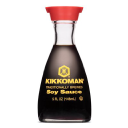
Kikkoman makes soy sauce, teriyaki sauce, and other Japanese-style brewed seasonings and sauces.
Website: kikkomanusa.com |Brands like Kikkoman
Popularity 2.9/10
-
13

Vigo
Tony Jr. and Alfred started Vigo Foods with their father over 80 years ago. Introducing the world to new tastes, Vigo had been working tirelessly to provide quality food and recipes to their customers. Food is an essential part of...
Website: vigofoods.com |Brands like Vigo
Popularity 2.0/10
-
14
Sakura
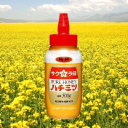
The brand of honey Sakura Honey originates from Japan. All of their products are additive- and preservative-free and made with carefully chosen honey that is safe to eat. Food should, in their opinion, come from the natural world, not from...
Website: sakura-honey.co.jp |Brands like Sakura
Popularity 2.0/10
Official websites and social accounts
| Brand | Website | X / Twitter | YouTube | ||
|---|---|---|---|---|---|
| Nissin | nissin.com | – | – | – | – |
| House Foods | house-foods.com | /housefoodsamerica | housefoodsamerica | – | – |
| Glico | glico.com | /PockyUSA | pockyusa | @pockyusa | GlicoUSA |
| Calbee | calbee.com.au | /calbeeharvestsnapsanz | goldenchipeesanz | – | – |
| Maruchan | maruchan.com | /MaruchanInc | maruchan_inc | @maruchan_inc | MaruchanInc |
| Knorr | knorrbeeswax.com | /Knorrbeeswax | – | @@infoknorr | – |
| Marukome | marukomeusa.com | /Marukome-USA-108426127193924 | marukomeus | – | Marukome USA Inc. |
| Meiji | meiji.com | – | – | – | – |
| Morinaga | morinaga.co.jp | – | – | – | – |
| Ajinomoto | ajinomoto.com | – | worldumamirecipes | – | World Umami Recipes |
Japanese Food Buying Guide
Japanese cuisine is widely popular around the world for its unique flavor combinations, simple cooking techniques, and attractive presentations. However, for those who are new to the cuisine, it can be a bit intimidating to navigate through the vast array of ingredients, spices, and cooking tools that are essential for preparing Japanese dishes.
If you're interested in exploring Japanese cuisine, this guide will help you understand the key ingredients and tools that you need to buy, along with some tips for where to find them.
Key Ingredients
Rice and Rice Products
Rice is a staple ingredient in most Japanese dishes. Japanese rice is of high quality, short-grained, and slightly sticky. It is used to make sushi, rice bowls, and other rice-centric dishes. When buying rice, look for bags labeled as "sushi rice", "Japanese rice", or "short-grain rice".
Rice vinegar, mirin, and sake are also essential when cooking Japanese rice dishes. Rice vinegar is used to season the rice while it is still warm, while mirin and sake are used to add sweetness and depth to the flavor of the dishes.
Seaweed
Seaweed is another staple ingredient in Japanese cuisine. It is used in soups, salads, and as a garnish. There are several types of seaweed used in Japanese cooking, including nori, wakame, and kombu.
Nori is the most famous seaweed in Japan, which is mainly used to wrap sushi. Wakame is another popular seaweed, which is used in soups and salads. Kombu is a thick and wide seaweed, which is used to make dashi, a flavorful broth used in many Japanese dishes.
Soy Sauce
Soy sauce is a staple ingredient in Japanese cuisine, which is used as a seasoning in soups, stews, marinades, and dipping sauces. Japanese soy sauce is milder and sweeter than Chinese soy sauce, and it is available in low-sodium options as well.
Miso
Miso is a fermented soybean paste that is used in soups, stews, marinades, and sauces. It has a savory, umami flavor that gives depth to many Japanese dishes. Miso comes in various colors, from light yellow to dark brown, and its flavor intensity varies according to its fermentation time and type of grain used. When buying miso, look for organic and non-GMO products.
Tofu
Tofu, also known as bean curd, is a popular ingredient in vegetarian and vegan Japanese dishes. It is made from soybeans and has a creamy texture that can be fried, grilled, sautéed, or added directly to soups and stews.
Green Tea and Matcha
Green tea is deeply ingrained in Japanese culture, and it is consumed both for its health benefits and its taste. Matcha, a finely ground green tea powder, is used in tea ceremonies, as well as in baked goods, smoothies, and other dishes.
When buying green tea or matcha, look for high-quality products that are grown in Japan and are free from additives or flavorings. Tea bags are convenient, but loose-leaf tea offers better quality and flavor.
Tools and Equipment
Sushi Rice Cooker
A sushi rice cooker is a specialized rice cooker that is designed to cook the rice to the perfect texture and consistency for sushi. It has a non-stick surface, and it keeps the rice warm and moist for longer periods. Although it is not essential, it is a great investment if you plan on making sushi frequently.
Sushi Mat
A sushi mat, also called a makisu, is a bamboo mat that is used to roll sushi. It is used to flatten the rice and ingredients into a tight roll, and it is easy to clean and store. Look for a sushi mat that is made from high-quality bamboo and is easy to roll and maneuver.
Dashi Pot
Dashi is a broth made from dried fish, seaweed, and other ingredients, and it is the base for many Japanese soups, stews, and sauces. A dashi pot, also known as an oroshigama, is a special pot that is made to cook dashi. It has a built-in strainer, which makes it easy to separate the broth from the solids.
Mochi Maker
Mochi is a chewy rice cake that is used in many Japanese desserts and snacks. A mochi maker is a specialized tool that makes it easy to make mochi at home. It consists of a wooden mortar and a mallet, which are used to pound the cooked rice into a sticky dough. Mochi makers are available in various sizes and shapes, and they are easy to use and clean.
Where to Buy Japanese Ingredients and Tools
Japanese ingredients and tools can be found in most Asian grocery stores, health food stores, and online retailers. Here are some of the best places to buy Japanese ingredients and tools:
Asian Grocery Stores
Asian grocery stores are a treasure trove of Japanese ingredients and tools. They typically have a wide selection of rice, seaweed, sauces, and seasonings, as well as kitchen tools such as sushi mats, rice cookers, and mochi makers. Some of the best Asian grocery stores in the US include H Mart, Mitsuwa Marketplace, and Pacific Mercantile Company.
Japanese Grocery Stores
Japanese grocery stores specialize in selling Japanese products, and they often have a more extensive selection of Japanese ingredients and tools than Asian grocery stores. Some of the popular Japanese grocery stores in the US include Japan Center Malls in San Francisco and Los Angeles, Sunrise Mart in New York, and Marukai in Hawaii.
Online Retailers
Online retailers such as Amazon, Japanese Food Hall, and Japan Centre offer a vast selection of Japanese ingredients and tools, including rare and hard-to-find items. They often provide detailed descriptions of the products, as well as user reviews and ratings, which can be helpful when buying online. However, keep in mind that shipping costs and delivery times may vary depending on the retailer and location.
Conclusion
Japanese cuisine is a delightful culinary experience that offers a unique blend of flavors, textures, and aromas. Whether you are a seasoned home cook or a newbie in the kitchen, this Japanese Food Buying Guide can help you navigate through the various ingredients and tools that are essential for preparing Japanese dishes. Remember to buy high-quality products, experiment with different flavor combinations, and have fun exploring the wonders of Japanese cuisine!