
The most popular brands for Reusable Nappies Includes Little Aussie Monster, Baby BeeHinds, Bambino Mio, Bambooty, GroVia, Bubba Blue, bumGenius, TotsBots among many others.
New parents can shop for all baby care and maternity items at Little Aussie Monster in one convenient location. They supply all the essential and high-quality products for mothers and their babies. Their store includes a variety of diapers, nappies, training pants, and bed protectors to keep babies dry through the night, allowing them to sleep comfortably. Little Aussie Monster focuses on providing customers with affordable and innovative products specially designed with soft and cozy fabrics.
Baby Beehinds brings you an exciting range of nappies that are affordable and easy to use and dispose of. The unique thing about these are that they are environment-friendly and sustainable, making them preferable to opt for. Along with these, the company also takes care of other maternity needs helping every parent have a very relaxed and comfortable experience taking care of their baby. Now your child’s bathroom habits are taken care of.

Bambino Mio developed eco-friendly and reuseable diapers for babies, and they got the idea from traveling in India. The brand reached the top of the market and was covered by big magazines like Forbes, BBC News, The Bump, People, Bounty, Babycenter, and Pregnancy and newborn. They have prepared two sets; one is a starter set, and the other is a complete set. Their products are suitable for babies’ skin, parents’ pockets, and the planet.
Bambooty is a reusable cloth diaper with a patent pending that provides parents looking to replace disposable diapers with a simple, economical, and eco-friendly option. A cheap, environmentally friendly, and fully reusable alternative to disposable or conventional cloth diapers is Bambooty. It keeps the infant dry and comfortable while absorbing liquids that are more than three times its weight. Its specific construction guarantees that the baby's skin is constantly kept dry by absorbing extra bodily fluid.
Grovia, established in 2009 by Kim Ormsby, Grovia is one of the most mind-blowing regular child organizations that gives guardians the greatest, solid, and most harmless ecosystem items around the world. The organization endeavors to engage our workers and clients with the information important to influence the planet through normal nurturing emphatically. Since its send-off, the framework has transformed a lot of lives and enabled developing newborns to become healthy, thoughtful youngsters.
Bubba Blue is an award-winning collection of baby and nursery items that are fashionable, useful, and affordable. Their contemporary bed linen, which includes cot, bassinet, cradle linens, baby blankets, baby swaddles, and muslin, is meant to look not only fantastic but also economical. They provide stunning, more fantastic bedding for modern parents. Bubba Blue baby bedding is ideal for newborns and little children. Their one-of-a-kind patterns are inspired by nature to provide a relaxing environment in which your child may sleep soundly and quietly.
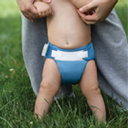
bumGenius is all about offering cloth diapers for babies and adults. The diapers are made with organic and natural fibers that allow maximum comfort and quick drying. Its classic Elemental diaper provides a waterproof outer cover that prevents leaks and comes in colorful designs loved by babies. The adult diapers are suitable for children struggling with incontinence issues and provide additional layers and larger sizes for a child, pre-teen, or small adult.

The greatest gift parents can give their children is a clean and healthy planet for them to grow up on....
When it comes to taking care of an infant, one of the most significant expenses is nappies. Over time, disposable nappies can end up costing a lot of money, and they are also significant contributors to landfill waste. That's why more and more parents are starting to consider using reusable nappies (also called cloth nappies) as an alternative.
Reusable nappies can be a more eco-friendly, cost-effective, and healthier option for babies. However, choosing the right reusable nappy for your baby can seem challenging, as there are numerous options available, each with its unique features.
To help you make the best choice for your family, we have put together this reusable nappy buying guide, covering everything you need to know, from types of nappies to cleaning and maintenance.
Reusable nappies come in various types, and each has its specific benefits and downsides. Here are the most commonly used types of reusable nappies:
Flat nappies are the simplest type of reusable nappy. They are rectangular pieces of absorbent material (usually cotton or bamboo) that can be folded and secured to fit around the baby. Flat nappies are incredibly versatile, and you can create different folds based on your baby's size and shape. They are also easy to wash and dry quickly. However, flat nappies might require a bit of practice to get the folds right, and they may not be as absorbent as other types of nappies.
Pre-fold nappies are similar to flat nappies, but they have added layers of absorbent material sewn into them. They also have a thicker pad in the middle. Pre-fold nappies form a rectangular shape that can be folded and secured with a pin or clip. They are more absorbent than flat nappies and quicker-drying than fitted nappies. However, they may still require a bit of practice to get the folds right.
Fitted nappies are designed to fit snugly around the baby's legs and waist. They typically have elasticated leg holes and waistbands and fasten with snaps or velcro. Fitted nappies are easy to use and can be more absorbent than flat nappies or pre-folds. However, they can be more expensive and take longer to dry after washing.
All-in-one nappies (AIOs) are designed to be as similar to disposable nappies as possible. They have a waterproof outer layer and an absorbent inner lining. They are easy to use, and you don't need any additional inserts or covers. However, they can be more expensive and take longer to dry than other types of reusable nappies.
Pocket nappies have an outer waterproof layer and a "pocket" opening where you place an absorbent pad or liner. They are easy to use and can be more absorbent than other types of reusable nappies. However, they can be more expensive, and the pocket can be fiddly to get the pad in and out.
The material your reusable nappy is made from is an essential factor in the overall performance of the nappy. Here are the most common fabrics used in reusable nappies:
Cotton is a very popular material for reusable nappies. It is breathable, soft, and absorbent. Cotton also washes well and is relatively inexpensive. However, it can take longer to dry than some other materials.
Bamboo is becoming an increasingly popular material for reusable nappies. It is naturally absorbent, antibacterial, and hypoallergenic. It is also very soft and comfortable for babies. However, bamboo can be more expensive than other materials, and it may not be as durable as cotton.
Hemp is an absorbent and durable material for reusable nappies. It is also naturally antimicrobial and hypoallergenic. However, hemp can be more expensive than other materials, and it can be rough and scratchy on your baby's skin.
Minky is a soft, fluffy fabric that is often used as the inner lining of a nappy. It is comfortable for babies and can wick away moisture. However, minky can be more expensive than other materials, and it may not be as absorbent as cotton or bamboo.
Choosing the right size nappy is essential to ensure the best fit and maximum absorbency. Most reusable nappies come in different sizes based on the baby's weight:
It's important to note that some brands may have slightly different sizing or may have adjustable sizing with snaps or velcro. Be sure to check the manufacturer's guidelines before purchasing.
Here are some additional features to consider when choosing a reusable nappy:
Reusable nappies can fasten with snaps, velcro, or safety pins. Snaps and velcro are the most popular options as they are easy to use and don't require additional tools. Safety pins can be more challenging to use, but they are a more cost-effective option.
Some reusable nappies come with additional inserts or boosters to increase the absorbency capacity. The inserts or boosters can be made of the same fabric as the nappy or made of another absorbent material like bamboo or hemp.
Some reusable nappies require an additional waterproof cover to prevent leaks. The covers can be made of PUL (polyurethane laminate) or wool. Wool covers are naturally breathable and temperature-regulating, but they require more maintenance than PUL covers.
While not a vital feature, some parents may prefer reusable nappies with fun colours or designs to add some personality to their baby's wardrobe.
Reusable nappies do require some additional cleaning and maintenance compared to disposable nappies. Here are some tips to help keep your reusable nappies clean and in good condition:
Before using your new reusable nappies for the first time, it's important to pre-wash them to increase their absorbency. Most nappy manufacturers recommend washing the nappies at least once before using them.
Store soiled nappies in a dry bucket or wet bag until you are ready to do a load of nappies. It's important to ensure that the nappies are not stored for longer than 2-3 days as this can lead to odours and stains. If possible, rinse the nappies before storing them to prevent the stains from setting in.
When it's time to wash the nappies, be sure to follow the manufacturer's instructions carefully. In general, you should wash reusable nappies in hot water with a gentle, fragrance-free detergent. Avoid using fabric softeners or bleach as these can damage the nappy's absorbency. Hang-dry your nappies in the sun whenever possible as this can help remove any remaining stains and is a natural disinfectant.
If you notice that your reusable nappies have stains, you can use a non-toxic stain remover like lemon juice or vinegar before washing them. Sposie's Baby nappy Booster Pads might be very using in preventing stains.
Over time, elastic in the nappies can become stretched out and lose its elasticity. If this happens, you can replace the elastic by removing the old elastic and sewing in a new one.
Choosing the right reusable nappy for your baby can seem overwhelming, but with a bit of research and consideration, you can find the perfect nappy for your family's needs. Consider the type of nappy, the material, the size, and any additional features when making your decision. Proper cleaning and maintenance of your reusable nappies will help ensure that they last longer and remain in great condition. With the right reusable nappy, you can save money, reduce waste, and provide a healthier option for your baby.
Top similar topics to Reusable Nappies Includes among many others.
