
The 30 best synthesizer brands
Roland, Korg and Yamaha lead our ranking of 30 synthesizer brands. Compare what each brand makes, visit its official site, or shop it online.
Synthesizer brands, ranked
TSCentral is reader-supported: we may earn a commission when you shop through links on this page. It does not affect the ranking.
-
1

Roland
Roland makes a wide range of analog, digital and modular synthesizers, including the Juno, Jupiter and TR series.
Website: roland.com |Brands like Roland
Popularity 10.0/10
-
2

Korg
Korg makes analog and digital synthesizers, workstations and the MS and Minilogue series of classic-style synths.
Website: korg.com |Brands like Korg
Popularity 9.7/10
-
3

Yamaha
Yamaha makes digital synthesizers and workstations, including the Montage, Reface and historic DX and CS series.
Website: usa.yamaha.com |Brands like Yamaha
Popularity 7.2/10
-
4
DOEPFER
Doepfer makes Eurorack modular synthesizer modules and the A-100 modular system, sold as DIY kits and finished modules.
Website: doepfer.de |Brands like DOEPFER
Popularity 4.9/10
-
5

Behringer
Behringer makes many budget analog synthesizer clones and reissues, including Model D, Pro-One and Deepmind series instruments.
Website: behringer.com |Brands like Behringer
Popularity 3.6/10
-
6

MOOG
Moog makes analog synthesizers and modular systems, including the Subsequent, Minimoog and Mother-32 instruments.
Website: moog.com |Brands like MOOG
Popularity 3.3/10
-
7

Arturia
Arturia makes software synthesizers and hardware instruments, including the MiniFreak, MicroFreak and V Collection emulations.
Website: arturia.com |Brands like Arturia
Popularity 2.4/10
-
8
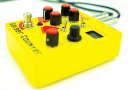
WMD
WMD makes Eurorack modules and compact hardware synthesizers, known for the Plague and Medusa style of digital and analog designs.
Website: wmdevices.com |Brands like WMD
Popularity 2.2/10
-
9

Dave Smith Instruments
Dave Smith Instruments makes analog and polyphonic synthesizers, including the Prophet, OB-6 and Pro 3 instruments.
Website: davesmithinstruments.com |Brands like Dave Smith Instruments
Popularity 2.2/10
-
10

Alesis
Alesis makes budget synthesizers and drum machines, including the Ion, Andromeda and Strike series instruments.
Website: alesis.com |Brands like Alesis
Popularity 2.1/10
-
11

Novation
Novation makes analog and hybrid synthesizers, including the Bass Station, Peak and Summit instruments.
Website: support.novationmusic.com |Brands like Novation
Popularity 2.1/10
-
12

Teenage Engineering
Teenage Engineering makes compact portable synthesizers and sequencers, including the OP-1 and Pocket Operator series.
Website: teenage.engineering |Brands like Teenage Engineering
Popularity 1.9/10
-
13
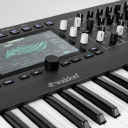
Waldorf
Waldorf makes wavetable and virtual analog synthesizers, including the Blofeld, Iridium and Streichfett models.
Website: waldorfmusic.com |Brands like Waldorf
Popularity 1.9/10
-
14

Elektron
Elektron makes hybrid and digital synthesizers and sequencers, including the Digitakt, Analog Four and Digitone series.
Website: elektron.se |Brands like Elektron
Popularity 1.9/10
-
15

Malekko
Malekko makes Eurorack modules and effects, including the Varigate and Heavy Industry modular synth designs.
Website: malekkoheavyindustry.com |Brands like Malekko
Popularity 1.7/10
-
16

Akai
Akai makes music production hardware, including MPC samplers and MPK keyboards, and has made synthesizers such as the AX series.
Website: akaipro.com |Brands like Akai
Popularity 1.7/10
-
17

Kurzweil
Kurzweil makes digital synthesizers, workstations and keyboards, including the K2000 and K2600 series instruments.
Website: kurzweil.com |Brands like Kurzweil
Popularity 1.5/10
-
18

NORD
Nord makes digital and analog keyboard synthesizers and stage pianos, including the Lead and Wave series instruments.
Website: nordkeyboards.com |Brands like NORD
Popularity 1.5/10
-
19
Studio Electronics
Studio Electronics makes analog synthesizers, including the Boomstar and ATC series instruments and modules.
Website: studioelectronics.com |Brands like Studio Electronics
Popularity 1.4/10
-
20

Casio
Casio makes keyboards and synthesizers, including the Casiotone line and the historic CZ phase distortion synths.
Website: casio.com |Brands like Casio
Popularity 1.3/10
-
21
ARP
ARP is a historic synthesizer brand known for the 2600 and Odyssey, now revived through licensed reissue instruments.
Website: arp-bolts.com |Brands like ARP
Popularity 1.3/10
-
22

VERMONA
Vermona makes Eurorack modules and analog synthesizers, including the Perfourmer and MS-20 style instruments.
Website: vermona.com |Brands like VERMONA
Popularity 1.2/10
-
23
Rhodes
Rhodes makes electric pianos and the Chroma Polaris synthesizer, continuing the Rhodes name in keyboards.
Website: rhodeschroma.com |Brands like Rhodes
Popularity 1.0/10
-
24
Dreadbox
Dreadbox makes analog synthesizers and effects, including the Nymphes, Typhon and Hades instruments.
Website: dreadbox-fx.com |Brands like Dreadbox
Popularity 1.0/10
-
25

Make Noise
Make Noise makes modular synthesizer modules and compact systems, including the Shared System and Maths modules.
Website: makenoisemusic.com |Brands like Make Noise
Popularity 0.9/10
-
26

Modal Electronics
Modal Electronics makes wavetable and digital synthesizers, including the Argon8, Cobalt8 and Craft instruments.
Website: modalelectronics.com |Brands like Modal Electronics
Popularity 0.8/10
-
27

Radikal Technologies
Radikal Technologies makes sequencers and synthesizer modules, including the SequenceR and Accelerator instruments.
Website: radikaltechnologies.com |Brands like Radikal Technologies
Popularity 0.8/10
-
28

CRUMAR
Crumar is an Italian keyboard brand known for the Mojo and Seven synthesizers, revived in recent years.
Website: crumar.it |Brands like CRUMAR
Popularity 0.7/10
-
29

Dubreq
Dubreq makes the Stylophone, a small pocket monophonic synthesizer and related retro-style instruments.
Website: dubreq.com |Brands like Dubreq
Popularity 0.7/10
-
30

IK Multimedia
IK Multimedia makes synthesizer software such as Syntronik and Modo, plus iRig controllers and keyboards.
Website: ikmultimedia.com |Brands like IK Multimedia
Popularity 0.6/10
Official websites and social accounts
| Brand | Website | X / Twitter | YouTube | ||
|---|---|---|---|---|---|
| Roland | roland.com | /OfficialRolandAIRA | roland.experience.channel | @RolandExpCh | Roland Cloud |
| Korg | korg.com | /korgusa | korgofficial | @korgusa | – |
| Yamaha | usa.yamaha.com | /YamahaMusicUSA | yamahamusicusa | @yamahamusicusa | – |
| DOEPFER | doepfer.de | – | – | – | – |
| Behringer | behringer.com | /BEHRINGER | behringer | @BEHRINGER | behringer |
| MOOG | moog.com | /MoogInc | – | – | – |
| Arturia | arturia.com | /arturia.instruments | arturia_official | @ArturiaOfficial | Arturiaweb |
| WMD | wmdevices.com | /WMDevices | wmdevices | @wmdevices | WMDevices |
| Dave Smith Instruments | davesmithinstruments.com | /sequentialLLC | sequential_llc | @sequentialLLC | – |
| Alesis | alesis.com | /Alesis | alesis_gear | @Alesis | AlesisVideo |
Synthesizer Buying Guide
Synthesizers have come a long way since their inception in the 1960s. With the advancement of technology and digital communication, today’s synthesizers have morphed into powerful tools that can create any sound imaginable. Whether you’re new to the world of electronic music or a seasoned player, choosing the right synthesizer can be overwhelming. In this guide, we will cover the essentials of buying a synthesizer, diving into the important features and considerations that will lead to your perfect match.
Types of Synthesizers
There are three primary types of synthesizers to choose from: analog, digital, and hybrid. Understanding the type of synthesizer you want can greatly influence the features and functionalities you will need.
Analog Synthesizers
Analog synthesizers are the original and purist form of synthesis. They have been used since the 1960s and are known for their warm, full-bodied sound. They create sound by using circuits, resistors, and capacitors to manipulate the signal. Analog synths offer a tactile, hands-on approach to creating sounds, that many musicians appreciate, they generally have knobs and sliders that allow for on-the-fly sound creation.
Analog synths can be expensive, but they are worth the investment if you want to create unique, vintage sounds. They are also known for their ability to produce rich harmonies and other-worldly timbres that you just can't replicate with digital instruments.
Digital Synthesizers
Digital synthesizers use digital signal processing (DSP) to create sound, but many of them also have analog components. They began to gain popularity in the 1980s due to the increasing affordability of computer chips. The advantages to digital synthesizers are that they are versatile and can offer a wide range of sound options, and they can be more affordable than analog synths. You can find a digital synth that meets almost any budget and skill level, but there is often a tradeoff with quality of sound.
Hybrid Synthesizers
Hybrid synthesizers combine both analog and digital components into a single instrument. This allows for the organic feel of analog synthesis, with the flexibility of digital processing. Hybrid synthesizers can be a great option if you want the best of both worlds, but they might be pricier than pure digital synths.
Important Features to Consider
Once you have established which type of synthesizer you want, it is important to consider the features you’ll need to achieve your musical goals. Here are the key features to look for:
Polyphony
Polyphony refers to how many notes can be played at the same time. Synthesizers can come in three main types: monophonic, duophonic, and polyphonic. Monophonic synths can only play one note at a time, which makes them great for basslines, leads, and other simple melodies. Duophonic and paraphonic synths allow two notes to be played simultaneously. Polyphonic synths allow three or more notes to be played at once, making them ideal for creating complex chords and harmonies. The more polyphony a synthesizer has, the more versatile it will be.
Oscillators
Oscillators are the heart of a synthesizer. They generate the tones and waveforms that create your sound. Single oscillator synths are rare these days, but many synths offer two, three, or even four oscillators for creating rich, layered sounds. When buying a synth, look for a variety of waveform options such as sine, square, sawtooth, and triangle. This will give you a wider range of sounds to work with.
Filters
Filters shape the frequency response of a sound, adding character and flavor. Most synthesizers come with filters that allow players to manipulate the tone and texture of their sound. The type of filter can make a big difference in the sound produced. There are typically 3 filter types found on synths:
- Low Pass Filter (LPF) - This filter removes the higher frequencies, giving a warmer sound.
- High Pass Filter (HPF) - This filter removes the lower frequencies, accentuating the higher-pitched sounds.
- Band Pass Filter (BPF) - This filter removes both high and low frequencies and is used to focus on sound in a specific frequency range.
Modulation Controls
Modulation is the process of changing a parameter of the sound over time. Synthesizers offer several ways of modulating sounds, such as using envelopes and LFOs (low-frequency oscillators) to create rhythmic effects or other variations. Look for a synth that offers an ADSR (attack, decay, sustain, release) envelope generator, which can be adjusted to shape the sound. Matrixes and patchbays can also be a useful tool for controlling modulation.
Keyboard Action
The keyboard action is the mechanism that determines how keys respond to touch. Synthesizers come in a variety of key actions: some have spring-loaded keys (like those found on most digital pianos), while others feature weighted keys or aftertouch (where the player can manipulate sound by applying varying levels of pressure to the keys after they have been struck). Consider the key action as it directly affects how you interact with the instrument.
MIDI Connectivity
To connect a synthesizer to other MIDI-capable instruments, you need to look for a synth with MIDI I/O. MIDI (Musical Instrument Digital Interface) is a communication protocol between devices and is widely used in music production. Synthesizers now use MIDI for everything from syncing with other instruments to controlling visual displays. MIDI also allows control of parameters in music software, expanding the synth’s capability even further.
Interface and Controls
The interface and the layout of the controls will have an impact on your workflow and how you interact with the synthesizer. Synthesizers commonly use various types of knobs, sliders, and buttons for control. Layout and workflow need to be taken into consideration, as they will affect how quickly you can manipulate the sounds you are creating. Consider the user interface of the synthesizer to best match the way you work creatively, some models feature touch screens or shift layers to access deeper options or sound design tools.
Price vs. Quality
Synthesizers can range from under $100 to thousands of dollars. More expensive synthesizers typically offer more features, better quality sound, and more durability. However, budget synths are also capable of producing quality sounds, and some models even have presets and other advanced features. The key is to determine what you need, and find an option that fits your budget. Keep in mind that a synth is an investment, and choosing one that is well-made can save you money in the long run by avoiding costly repairs or replacement due to durability issues.
Final thoughts
A synthesizer can be an integral part of a musician's creative process, providing them with a versatile and dynamic tool that can produce unique sounds. When choosing a synthesizer, it is important to consider both the type of synth and the features you need. Understanding what you need, and shopping around for the best option within your budget, will ensure that you make the most out of your investment. With so many options available, there is a synthesizer out there for every musician, whether you’re a beginner or a seasoned pro.
