


The 12 best weaving loom brands
Harrisville, Ashford and Lily lead our ranking of 12 weaving loom brands. Compare what each brand makes, visit its official site, or shop it online.
Weaving Loom brands, ranked
TSCentral is reader-supported: we may earn a commission when you shop through links on this page. It does not affect the ranking.
-
1
Harrisville
Hardwood frame and rigid heddle looms, including a potholder loom, popular with beginners who want a sturdy first loom.
Top products: Easy Weaver Hardwood Weaving Loom· HD Potholder Pro Loom
Website: harrisville.com |Brands like Harrisville
Popularity 10.0/10
-
2

Ashford
Rigid heddle tabletop looms and sample-it frames, with portable wooden options suited to belts and small scarves.
Top products: Knitters Rigid Heddle Tabletop Loom· Samplelt Loom· Inklette Loom
Website: ashford.com |Brands like Ashford
Popularity 8.4/10
-
3

Lily
Vintage Speed-O-Weave kits from the mid-century, a folding frame style that appeals more to collectors than daily weavers.
Top products: Speed-O-Weave Loom Kit
Website: lilysaratoga.com |Brands like Lily
Popularity 7.1/10
-
4

Draper
Draper's Trumold loom line dates back decades, so expect vintage frames and matching boat shuttles rather than new kit.
Top products: Trumold Weaving Loom· Boat Shuttles
Website: drapertools.com |Brands like Draper
Popularity 6.3/10
-
5
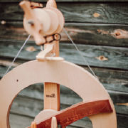
Kromski
Spinning wheels and floor looms from a family business, with an emphasis on fibre arts and rugged build quality.
Website: kromskina.com |Brands like Kromski
Popularity 5.7/10
-
6
Craft House
Have you ever wanted to try and do something creative but never really knew where to start? Well, Craft House is here to solve all of your problems. Old or not, male or female, creative or not, they have a craft kit for you. This company aims to bring art to people. To build a family that discovers and enjoys their creative side. With Craft House, even you can do the same.
Website: craft-house.co.za |Brands like Craft House
Popularity 3.4/10
-
7

Schacht Spindle
Montana-built floor looms and wheels with sturdy hardwood frames suited to serious weavers planning long-term use.
Website: schachtspindle.com |Brands like Schacht Spindle
Popularity 3.3/10
-
8

Pepperell
Pepperell is a craft store that houses all craft essentials that one may need for their artistic endeavors! The brand comprises products for various types of arts and crafts, providing its customers with ample variety in choice. Its portfolio includes macrame tools and accessories, parachutes, and jewelry cords. Their website also supplies the required essentials for candle-making, such as wicks and oils, and also offers easy DIY craft kits for kids to enhance their creativity!
Website: pepperell.com |Brands like Pepperell
Popularity 3.2/10
-
9

Beka
Started as a cookware maker, now sells 20 and 24 inch rigid heddle frames and a folding travel loom with stainless fittings.
Top products: Original Rigid Heddle Weaving Loom· Folding Rigid Heddle Weaving Loom
Website: beka-cookware.com |Brands like Beka
Popularity 2.9/10
-
10

Glimakra
Swedish floor looms and accessories built from durable materials, a traditional choice for production weaving.
Website: glimakrausa.com |Brands like Glimakra
Popularity 2.6/10
-
11

Lacis
Lacis serves the wholesale and retail markets with a wide range of threads, tools, and materials for the textile arts, such as fabric, needlework, crocheting, tatting, crochet, costume, and wedding. Lacis produces lace-making equipment, handbag frames, tatting shuttles, replica needlework...
Website: lacis.com |Brands like Lacis
Popularity 1.7/10
-
12

Martha Stewart
Lifestyle brand's knit and weave loom sold through craft chains, with replacement pieces available for the kit.
Top products: Knit & Weave Loom
Website: marthastewart.com |Brands like Martha Stewart
Popularity 1.7/10
Official websites and social accounts
| Brand | Website | X / Twitter | YouTube | ||
|---|---|---|---|---|---|
| Harrisville | harrisville.com | /harrisvilledesigns | harrisvilledesigns | @harrisvilledes | – |
| Ashford | ashford.com | /AshfordOnline | ashford_official | @ashfordtweets | – |
| Lily | lilysaratoga.com | /lily.saratoga | lilysaratoga | – | – |
| Draper | drapertools.com | /drapertools | draper_tools | @drapertools | drapertoolstv |
| Kromski | kromskina.com | /KromskiAndSons | – | – | NewVoyagerVideo |
| Craft House | craft-house.co.za | /CraftHouseSA | crafthousecraft | – | Craft-House |
| Schacht Spindle | schachtspindle.com | /SchachtSpindleCompany | p | – | – |
| Pepperell | pepperell.com | /PepperellCrafts | – | @MacrameStore | PepperellBraiding |
| Beka | beka-cookware.com | – | beka_cookware_official | – | channel/UCU8gOsV-Bm7UwvRvawOBCzQ |
| Glimakra | glimakrausa.com | – | – | – | – |
Weaving Looms Buying Guide
Weaving is a timeless craft that has been passed down for generations. It involves creating fabric by interlacing warp and weft threads on a loom. Weaving looms are essential tools for anyone who wants to learn how to weave. If you're interested in purchasing a weaving loom, this buying guide will provide you with all the information you need to make an informed decision.
Types of Weaving Looms
There are several types of weaving looms available in the market. The most common ones are:
- Rigid Heddle Looms
- Table Looms
- Floor Looms
- Tapestry Looms
Rigid Heddle Looms
A rigid heddle loom is the most common type of loom and is a great option for beginners. It has a simple design and is easy to use. The rigid heddle loom can be used to make a variety of fabrics, from simple scarves to more complex pieces.
One of the advantages of a rigid heddle loom is its portability. It can be easily moved from one location to another and does not take up much space. Rigid heddle looms come in different sizes, from small tabletop models to larger floor models. The size you choose will depend on the size of the projects you plan to weave.
Table Looms
A table loom is another option for those who want a portable loom. These looms are designed to be set up on a table or other flat surface. They are larger than rigid heddle looms and can be used to create more complex weaves.
Table looms are designed to be operated while sitting down, making them a great option for weavers who want a more comfortable weaving experience. They are also well suited for weavers who want to work on larger projects.
Floor Looms
A floor loom is a larger type of weaving loom that is designed to be operated while standing up. These looms are the most versatile of all the loom types and can be used to create a wide variety of fabrics. Floor looms are the most expensive type of loom, but they are also the most durable.
Floor looms come in different sizes, from small models that can be used in a home studio to large industrial models that can be used in textile factories. The size you choose will depend on the size of the projects you plan to weave and the amount of space you have available.
Tapestry Looms
A tapestry loom is a unique type of loom that is designed for weaving tapestries. These looms are typically small and are designed to be used while sitting down. They have a simple design and are easy to use, making them a great option for beginners.
Tapestry looms are designed to create a weft-faced fabric, which means that the weft threads are more visible than the warp threads. This creates a unique texture that is perfect for creating tapestries and other decorative fabrics.
Features to Consider when Buying a Weaving Loom
When buying a weaving loom, there are several features you should consider. These include:
- Size
- Materials
- Number of Shafts
- Portability
- Price
Size
The size of the loom you choose will depend on the size of the projects you plan to weave. If you are just starting out and plan to weave small projects, a smaller loom may be sufficient. However, if you plan to weave larger projects, you may need a larger loom.
It's important to note that larger looms can be more difficult to operate, so if you are a beginner, it may be best to start with a smaller loom and work your way up.
Materials
The materials used to make the loom can have an impact on its durability and longevity. Look for looms made from high-quality materials, such as hardwoods, that can withstand years of use.
Number of Shafts
The number of shafts on a loom determines the complexity of the weave you can create. Looms with more shafts are capable of producing more complex weaves.
If you are a beginner, a loom with two or four shafts may be sufficient. If you plan to create more complex weaves, you may want to consider a loom with more shafts.
Portability
Portability is an important factor to consider if you plan to move your loom from one location to another. Smaller looms, such as rigid heddle or table looms, are more portable than larger floor looms.
Price
The price of a loom can vary widely depending on the type, size, and materials used. It's important to consider your budget when choosing a loom.
While it may be tempting to purchase a less expensive loom, keep in mind that a higher-quality loom will last longer and produce better results. If you plan to use your loom frequently, it may be worth investing in a higher-quality model.
Additional Accessories
In addition to a loom, there are several accessories that can improve your weaving experience. Some of these include:
- Shuttles
- Bobbins
- Warping Boards
- Warping Mills
- Reeds
- Heddles
- Warping Guides
Shuttles
A shuttle is a tool that is used to hold the weft thread as it is passed through the warp threads. Shuttles come in different sizes and shapes and can be made from a variety of materials, such as wood or plastic.
When choosing a shuttle, consider the size of your loom and the type of weaving you plan to do. If you plan to weave larger projects, you may want to choose a larger shuttle.
Bobbins
Bobbins are used to hold the weft thread on a loom. They come in different sizes and materials and are designed to fit specific loom models.
When choosing bobbins, make sure they are compatible with your loom. It's also a good idea to have several bobbins on hand so you can easily change colors or yarns while weaving.
Warping Boards
A warping board is a tool that is used to create a warp for a loom. The board has pegs on it that are used to measure out the warp threads. It's a great tool for creating a consistent warp and is essential for larger projects.
Warping Mills
A warping mill is another tool that can be used to create a warp for a loom. It is a large, free-standing tool that has several spokes on it. The spokes are used to measure out the warp threads. Warping mills are best suited for larger projects because they can hold more warp threads.
Reeds
A reed is a part of the loom that is used to space out the warp threads. Reeds come in different sizes and are designed to fit specific loom models.
When choosing a reed, consider the size of your loom and the type of weaving you plan to do. If you plan to weave larger projects, you may want to choose a larger reed.
Heddles
Heddles are used to raise and lower the warp threads on a loom. They come in different sizes and are designed to fit specific loom models.
When choosing heddles, consider the size of your loom and the type of weaving you plan to do. If you plan to weave more complex weaves, you may want to choose a loom with more heddles.
Warping Guides
Warping guides are used to help create a consistent warp for a loom. They can be used with a warping board or a warping mill to create a warp. Warping guides are especially helpful for beginners who are learning how to create a warp.
Conclusion
Choosing a weaving loom can be an overwhelming task, but by considering the factors outlined in this buying guide, you'll be able to select the loom that's right for you. Don't forget to also consider accessories, such as bobbins and heddles, that can improve your weaving experience.
With the right equipment and a bit of practice, you'll be able to create beautiful textiles and carry on the tradition of weaving for generations to come.


