


The 24 best wound care brands
3M, McKesson and Dynarex lead our ranking of 24 wound care brands. Compare what each brand makes, visit its official site, or shop it online.
Wound Care brands, ranked
TSCentral is reader-supported: we may earn a commission when you shop through links on this page. It does not affect the ranking.
-
1
3M
Clear film dressings for clinics and sticky consumer bandages for home first aid kits.
Top products: Tegaderm Transparent Film Dressing· Micropore Surgical Tape· Adaptic Non-Adhering Dressing
Website: 3m.com |Brands like 3M
Popularity 10.0/10
-
2

McKesson
Own-label gauze, adhesive spot bandages and wound measuring rulers sold in large clinical packs.
Top products: Performance Plus Gauze Sponge· Round Fabric Adhesive Spot Bandages
Website: mms.mckesson.com |Brands like McKesson
Popularity 9.8/10
-
3

Dynarex
Gauze, tapes and wound dressings sold in bulk to clinics and care settings.
Top products: View Guard Transparent Film Dressing· Sensi-Wrap Self-Adherent Bandage Wrap· Sterile Island Dressing
Website: dynarex.com |Brands like Dynarex
Popularity 8.9/10
-
4

BAND-AID
Fabric and sheer strips for everyday cuts, plus Tru-Stay pads that stay put on skin.
Top products: Tru-Stay Adhesive Pads· Flexible Fabric Adhesive Bandages· Tru-Stay Sheer Adhesive Bandages
Website: bandaid.ca |Brands like BAND-AID
Popularity 8.6/10
-
5

Medline
Broad hospital supply line covering gauze, tapes and dressings bought in bulk by clinics.
Top products: Puracol Plus Ag+· SilvaSorb Silver Antimicrobial Wound Gel· Maxorb II Alginate Wound Dressing
Website: medline.com |Brands like Medline
Popularity 8.4/10
-
6

Smith & Nephew
Advanced wound care such as cadexomer iodine gels for chronic and slow-healing ulcers.
Top products: Iodosorb Cadexomer Iodine Gel
Website: smith-nephew.com |Brands like Smith & Nephew
Popularity 6.6/10
-
7

Molnlycke
Gelling fibre dressings with silver and elastic tubular bandages used in hospitals and homes.
Top products: Exufiber Ag+ Gelling Fibre Dressing· Tubigrip Elasticated Tubular Support Bandage
Website: molnlycke.com |Brands like Molnlycke
Popularity 5.3/10
-
8

CURAD
CURAD set up its shop in 1951. They are pioneers in the business of medical products. They are the earliest company to have created an 'Ouchless Pads' or what we know as bandages today. CURAD is committed to its goal of producing quality products to help customers. To ensure that all their products are up to the mark, CURAD has set several strict screening processes. They believe in delivering the best. The company helps in creating awareness about bandages and their uses too.
Website: curad.com |Brands like CURAD
Popularity 5.3/10
-
9

DermaRite
Skin and wound care lines, including infection control and nutritional products.
Website: dermarite.com |Brands like DermaRite
Popularity 4.7/10
-
10

DUKAL
Sterile gauze rolls and sponges in bulk, the sort stocked by clinics and care homes.
Top products: 645 Sterile Fluff Gauze Bandage Rolls
Website: dukal.com |Brands like DUKAL
Popularity 4.7/10
-
11

Hartmann
Hartmann produces travel luggage and leather goods, including carry-on bags, briefcases, garment bags and vintage-style luggage. Its herringbone deluxe weekend duffel, made from polyester herringbone fabric, is among its most sought-after pieces. Its cases are designed for travellers who value...
Website: shop.hartmann.com |Brands like Hartmann
Popularity 4.6/10
-
12

ConvaTec
Hydrofiber and alginate dressings for exuding wounds, plus ostomy care in the same range.
Website: convatec.com |Brands like ConvaTec
Popularity 3.1/10
-
13

Aso Corporation
First aid is an underrated treatment phase; without proper first aid, even a minor injury or illness can prove to be troublesome. Aso Corporation has been the world’s leading supplier and manufacturer of first aid products for over 60 years....
Website: asocorp.com |Brands like Aso Corporation
Popularity 2.6/10
-
14
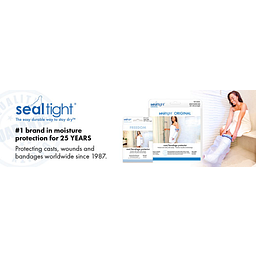
SEAL-TIGHT
Wound exposure to moisture and impurities delays the healing process, and Seal its waterproof casts and airtight bandages are here to alleviate this hassle. The device consists of a flex-seal rubber diaphragm that fits any part of your body like...
Website: seal-tight.com |Brands like SEAL-TIGHT
Popularity 2.4/10
-
15

DeRoyal
Hospital-focused dressings and orthopaedic soft goods, sold mostly through clinical channels.
Website: deroyal.com |Brands like DeRoyal
Popularity 2.4/10
-
16

Coloplast
Triad hydrophilic paste and InterDry textile dressings for debriding and managing moist wounds.
Top products: Triad Hydrophilic Wound Dressing· InterDry Textile
Website: coloplast.us |Brands like Coloplast
Popularity 2.2/10
-
17

ACE
ACE's range centers on flip phone cases and designer phone cases for Alcatel and Motorola models. The covers are made from TPU, silicone and polycarbonate, with shock protection and anti-scratch finishes. Model-specific fit for a particular handset is straightforward in...
Popularity 2.0/10
-
18

JOBST
Compression hosiery and bandages for venous ulcers, lymphoedema and swelling in the legs.
Website: jobst.com |Brands like JOBST
Popularity 1.6/10
-
19

First Aid Only
First Aid Only supplies first aid kits, first aid boxes, and first aid tape for homes, workplaces, and vehicles. The company was established in 1988 and supplies kits for both households and organizations. Its kits include essential medical supplies for...
Website: firstaidonly.com |Brands like First Aid Only
Popularity 1.6/10
-
20

medi
Medical compression stockings in graduated strengths, often prescribed for leg swelling and veins.
Website: mediusa.com |Brands like medi
Popularity 1.5/10
-
21

Hollister
Hollister delivers all the hottest trends to your home. Shop the newest in men's and women's fashion, including exclusive pieces exclusively available on them, from shirts and jeans to hoodies and more. It provides everything you need to feel carefree...
Website: hollisterco.com |Brands like Hollister
Popularity 1.5/10
-
22

Hansaplast
European plaster brand with waterproof strips and wound patches sold in everyday sizes.
Website: int.hansaplast.com |Brands like Hansaplast
Popularity 1.5/10
-
23

COMPEED
Hydrocolloid blister plasters for heels and toes, cushioning friction while the blister heals.
Top products: Advanced Blister Care Pads
Website: compeedusa.com |Brands like COMPEED
Popularity 1.3/10
-
24

Premier
Alginate and bordered gauze dressings sold in boxes of ten to thirty for clinic stock.
Top products: Silver Calcium Alginate Wound Care Dressing· Sterile Bordered Gauze Wound Care Dressing
Website: premierhousewares.com |Brands like Premier
Popularity 1.3/10
Official websites and social accounts
| Brand | Website | X / Twitter | YouTube | ||
|---|---|---|---|---|---|
| 3M | 3m.com | – | – | – | – |
| McKesson | mms.mckesson.com | /McKessonCorporation | mckessoncorporation | @McKesson | – |
| Dynarex | dynarex.com | /DynarexCorp | dynarexcorp | @DynarexCorp | DynarexCorp |
| BAND-AID | bandaid.ca | /BandAidBrandCanada/ | – | – | – |
| Medline | medline.com | /MedlineIndustriesInc | – | @Medline | MedlineIndustries |
| Smith & Nephew | smith-nephew.com | /SmithNephewplc | smithnephewmeded | @smithnephewplc | – |
| Molnlycke | molnlycke.com | /molnlyckehealthcareglobal | – | @molnlyckehc | – |
| CURAD | curad.com | /CuradBrand | – | @Curad | – |
| DermaRite | dermarite.com | /DermaRite | – | @DermaRite | DermaRite |
| DUKAL | dukal.com | /dukalcorp | dukalcorp | @dukalcorp | Dukal Corporation |


