


The 18 best electric bike motor brands
BAFANG, Bosch and Shimano lead our ranking of 18 electric bike motor brands. Compare what each brand makes, visit its official site, or shop it online.
Electric Bike Motor brands, ranked
TSCentral is reader-supported: we may earn a commission when you shop through links on this page. It does not affect the ranking.
-
1
BAFANG
Chinese-made mid-drive kits like the BBS02B and 52V BBSHD, popular with home builders converting their own bikes into e-bikes.
Website: bafang-e.com |Brands like BAFANG
Popularity 10.0/10
-
2

Bosch
Performance Line motors with integrated batteries and displays, the standard choice for premium pedelecs and dealer-fitted systems.
Website: developer.bosch.com |Brands like Bosch
Popularity 0.8/10
-
3

Shimano
Steps drive units pair quiet mid-motors with integrated displays, suited to city commuting and steep hill climbs.
Website: shimano.com |Brands like Shimano
Popularity 0.7/10
-
4

Cyrusher
Complete e-bikes at moderate prices, mostly full bikes rather than standalone motor kits.
Website: cyrusher.com |Brands like Cyrusher
Popularity 0.7/10
-
5
Addmotor
Sells hub and mid-drive motor kits plus full e-bikes, usually at lower prices than the big European and Japanese names.
Website: addmotor.com |Brands like Addmotor
Popularity 0.6/10
-
6
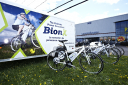
BionX
Pioneered rear-hub and conversion systems that add assistance to ordinary bikes without changing the frame.
Website: bionx.ca |Brands like BionX
Popularity 0.5/10
-
7

YOSE POWER
Budget-minded conversion kits and batteries that fit common bikes, with simple mounting for home upgrades.
Website: yosepower.com |Brands like YOSE POWER
Popularity 0.5/10
-
8

Specialized
Turbo-branded motors sit inside its own e-bikes, so they are rarely sold as separate motor parts.
Website: specialized.com |Brands like Specialized
Popularity 0.4/10
-
9

BMC
The bikes that BMC builds in Switzerland are shaped by aerodynamic design, and the company's road and mountain models have won world titles. Its line also includes bike parts, car parts and motorcycle accessories.
Website: bmc-switzerland.com |Brands like BMC
Popularity 0.2/10
-
10
TranzX
Affordable hub and mid-drive kits sold as conversion packages with batteries and throttles.
Website: tranzx.com |Brands like TranzX
Popularity 0.2/10
-
11

Giant
SyncDrive motors and batteries are fitted to Giant's own e-bike frames, backed by a large dealer network.
Website: giant-bicycles.com |Brands like Giant
Popularity 0.2/10
-
12

Zoom
Hydraulic disc brakes, brake calipers and brake parts for mountain bikes form the focus of Zoom's line. The Taiwanese maker's components are sold as replacement and upgrade parts for riders who want stopping power that matches their bike. Zoom's product...
Popularity 0.2/10
-
13

Panasonic
Older e-bike drive units from its electronics line, now mostly found on bikes from other makers.
Popularity 0.2/10
-
14

FSA
The FSA brand has been associated with pioneer bike components for more than 60 years. Chainsets, cranksets, brakes, headsets, bottom brackets, and other bicycle parts are produced and designed by FSA. These are sold by a vast network of accredited...
Website: fsaproshop.com |Brands like FSA
Popularity 0.2/10
-
15
Raleigh
Raleigh offers a wide range of bicycles for every sort of person and every kind of need. They take great pride in contributing to this heritage by providing each biker with superior-quality, advanced equipment. Their comfortable women's collection includes mountain,...
Popularity 0.1/10
-
16

Cube
Cyclists who want clothing for road and mountain riding will find men's jerseys, jackets, bib shorts, and shirts from Cube, the German bicycle maker. Its cycling pieces include lightweight short-sleeve shirts and rain jackets, with bib shorts and tights for...
Website: cube.eu |Brands like Cube
Popularity 0.1/10
-
17

Orbea
Orbea, the world's largest manufacturer of bicycles and bicycling gears, excels in constructing high-power e-bikes with supersonic forks. Orbea designs a wide range of roads, mountains, triathlons, and urban bikes. The Orca and Avant road bikes, Rallon and Occam mountain...
Website: orbea.com |Brands like Orbea
Popularity 0.1/10
-
18

Norco
Norco is here for you so that you don’t wander from website to website searching for potent bikes. The properties like ample mud clearance and bent chainstays offer maximum performance chances, and the city bike series has features like a...
Website: norco.com |Brands like Norco
Popularity 0.1/10
Official websites and social accounts
| Brand | Website | X / Twitter | YouTube | ||
|---|---|---|---|---|---|
| BAFANG | bafang-e.com | /BAFANGElectric | bafangelectric | @bafangelectric | BAFANG |
| Bosch | developer.bosch.com | – | – | – | – |
| Shimano | shimano.com | /ShimanoEbike | shimanoebike | – | – |
| Cyrusher | cyrusher.com | /CyrusherBikes | cyrusherbike | @CyrusherBikes | Cyrusher Bikes |
| Addmotor | addmotor.com | /AddmotorElectricBike | addmotorinc | @addmotorinc | addmotor |
| BionX | bionx.ca | – | – | – | – |
| YOSE POWER | yosepower.com | – | – | – | – |
| Specialized | specialized.com | – | – | – | – |
| BMC | bmc-switzerland.com | /bmcswitzerland | ride_bmc | – | DefinitionOfCycling |
| TranzX | tranzx.com | /62641594168666 | – | – | tranzxebikes |
Electric Bike Motor Buying Guide
Electric bikes have become an increasingly popular mode of transportation for commuters, outdoor enthusiasts, and anyone looking for a more eco-friendly way to get around. Unlike conventional bicycles, electric bikes are equipped with a motor that provides pedal-assist or full electric power, making it easier to ride uphill, against the wind, or over long distances. However, not all electric bike motors are created equal, and choosing the right one can make a big difference in your cycling experience.
Types of Electric Bike Motors
When shopping for an electric bike motor, you will encounter two main types: hub motors and mid-drive motors. Both have their own advantages and disadvantages, and your choice will depend on your riding style and preferences.
Hub Motors
As the name suggests, hub motors are mounted in the front or rear hub of the bike, providing direct power to the wheel. They are typically less expensive and easier to install than mid-drive motors, making them a popular choice for entry-level electric bikes. Hub motors can also be quieter and less complex, with fewer parts that can wear out.
However, hub motors have some drawbacks that may affect your ride quality. Because they are connected directly to the wheel, they can make the bike feel unbalanced or heavy, especially in the front. They may also be less efficient than mid-drive motors, especially when climbing steep hills, as they are limited by the wheel size and gear ratio.
Mid-Drive Motors
Mid-drive motors, on the other hand, are mounted on the bike frame, usually near the bottom bracket, where the pedals attach. They provide power directly to the chain, which in turn drives the rear wheel. Mid-drive motors are typically more powerful and energy-efficient than hub motors, as they can take advantage of the bike's gears to provide more torque and speed.
Because mid-drive motors are mounted on the bike's center of gravity, they offer better balance and handling than hub motors. They are also more versatile, as they can be customized for different riding conditions, such as off-road or long-distance commuting.
Motor Power and Performance
The power and performance of an electric bike motor are measured in watts (W) and torque, respectively. These factors determine how fast and how smoothly the bike can propel you, as well as how far and how steep it can climb.
Motor Power
The power output of an electric bike motor can range from around 250W to 750W or more. In general, the higher the wattage, the more powerful the motor and the faster the bike can go. However, higher wattage motors also consume more battery power and may be illegal in certain areas that limit the maximum power output of electric bikes.
Lower power motors, such as 250W or 350W, are suitable for casual riders or those who mainly need assistance on flat terrain. They can reach speeds of up to 20mph, which is the legal limit for electric bikes in many states. Higher power motors, such as 500W or 750W, are designed for more demanding riders or situations, such as off-road or hilly terrain. They can reach speeds of up to 28mph or more, but may require a special license or registration in some areas.
Motor Torque
The torque of an electric bike motor measures its turning force or pulling power, which determines how quickly and smoothly it can accelerate or climb. Higher torque motors can provide more power at low speeds or uphill, while lower torque motors may struggle to maintain speed or power in challenging conditions.
Torque is measured in Newton-meters (Nm) or pound-feet (lb-ft). A typical range for electric bike motors is around 30-80Nm, with higher-end models reaching over 100Nm. Riders who need more torque may prefer mid-drive motors, which can provide more leverage through the bike's gears.
Battery and Range
The battery of an electric bike is essential to its performance and range. It stores the energy that powers the motor and determines how far and how long you can ride before the battery needs to be recharged. Battery capacity is measured in watt-hours (Wh) or ampere-hours (Ah), which indicates how much energy the battery can hold and how long it can supply power to the motor.
The range of an electric bike depends on several factors, including the motor power, the rider's weight and pedaling effort, the terrain and weather conditions, and the battery capacity. In general, a higher capacity battery can provide a longer range, while a smaller battery may require more frequent charging or reduce the bike's performance.
Typical battery capacities for electric bikes range from 250Wh to 750Wh or more, with higher-end models providing up to 1000Wh. A 250Wh battery can provide a range of around 20-30 miles on a single charge, while a 750Wh battery can provide a range of over 60 miles or more. However, keep in mind that these are rough estimates and your actual range may vary depending on your riding conditions.
Other Factors to Consider
Aside from the motor power and battery range, there are other factors to consider when choosing an electric bike motor, including:
Compatibility with the Bike
Make sure to choose a motor that is compatible with your bike frame, wheel size, and other components. Some motors may require a specific mounting system or modifications to the bike's frame or brakes.
Noise Level
Some electric bike motors can be noisy, which can be distracting or annoying to some riders. Look for motors that are designed to be quiet, with features such as internal gears or belt drive.
Brand Reputation
Choose a motor from a reputable brand with a good track record of quality and customer support. Avoid cheap or unknown brands that may skimp on safety standards or warranty coverage.
Cost
The cost of an electric bike motor can vary widely, from a few hundred dollars for a basic hub motor to over a thousand dollars for a high-end mid-drive motor. Consider your budget and the features you need before making a purchase.
Conclusion
Choosing the right electric bike motor can greatly enhance your cycling experience, whether you're commuting to work, exploring the great outdoors, or simply enjoying a leisurely ride. Consider the type of motor, the power and torque, the battery and range, and other factors before making a decision. With the right electric bike motor and bike, you can enjoy all the benefits of cycling with the added convenience and efficiency of electric power.


