
The most popular brands for Power Meter Includes Rotor, SRM, Garmin, SRAM, Stages, Innovations, FSA, Specialized, Campagnolo, Cane Creek among many others.

Rotor America is a Spanish brand that manufactures bike components. They produce one of the best bike components globally and have established a value in delivering fine quality parts. They aim to create an Asian counterpart in selling cheaper and affordable products all over the world. From advanced bikes to special mountaineering bikes, they provide every part to preserve the initial condition as possible. At Rotor America, people value consumer satisfaction and keep this at their utmost priority. Delivering top-notch quality products with durable performance and ensuring customer service is the company's motto.
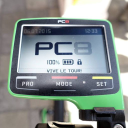
Founded by an engineer named Ulrich Schoberer in 1986, SRM( Schoberer Rad Messtechnik) is a company that was created to provide solutions for measuring athletes' performance when they are performing. Professional cyclists and athletes use the SRM Training System during competitions to keep their performance in check. The system measures the aspects of training in watts and is not affected by outer influences such as weather conditions or speed.

Garmin provides premium-quality goods and services that you may use to monitor people's athletic and fitness pursuits. Athletes use their gadgets, for instance, running, swimming, or cycling, to gather real-time performance data. On Garmin's online platform, the data is then shared with other users, allowing them to compete against one another. Additionally, ts goods are made for various athletes, including triathletes, cyclists, runners, and swimmers.

Sram is a bicycle parts manufacturing company selling products like brakes and shifters of high quality at reasonable prices. The company is passionate about cycling, and its products can be found globally in select biking equipment retail stores. Their products are very innovative and are made after proper research. The brand's equipment improves the performance and the overall experience of cycling. They also allow easy cycling in hilly and mountainous areas

Blending the thrill of fitness with comfort, Stages Cycling curates high-performance indoor bikes for its fitness enthusiasts. Customers who love to break out a sweat but hate riding out on the roads find the perfect product at this brand that commits its efforts to building safe and fun smart bikes. Using the power of high-end technology, the company creates a range of products, including various types of power meters, studio bikes, cycling accessories, and apparel.
Isn't it just simply amazing to have access to everything you would ever need in one place? Based in Australia and New Zealand, Innovations is a long-established company that provides all sorts of general merchandise to its customers. Their online catalog offers a variety of categories of products you may sort through and choose from with ease. This endless selection includes garden, kitchen, bedding, clothing, electronics, and even pet products.

The FSA brand has been associated with pioneer bike components for more than 60 years. Chainsets, cranksets, brakes, headsets, bottom brackets, and other bicycle parts are produced and designed by FSA. These are sold by a vast network of accredited dealers and are built to the best quality requirements. Therefore, be sure to check out what FSA offers if you're an avid cyclist seeking to replace the components on your bike or purchasing your first bicycle.

Specialized is a leading Bikes company that manufactures and sells various kinds of bikes, including Mountain and Road Bikes. They...

Campagnolo generates significant components for racing, touring, and dirt bikes. Tullio established it in 1933 and has always been a...
CaneCreek gained popularity after developing the world's first threadless headset. Since then, they have worked tirelessly to create colossally engineered...
Barbieri is an Italian brand of bicycle accessories. Founded in 1983 by Adriano Barbieri, a chain cleaner. The company manufactures...

Visions is a leading electronics company in Canada and have various brands of tech items like TVs and cell phones....

Ace natural possesses the most organic and natural foods promoting healthy living among its customers. Originating from New York City,...

Easton is a leading online retailer of more fabulous handbags and shoes. They provide a large selection of women's shoes...

Zipp is an automobile racing corporation specializing in producing parts for maintenance, upgrade, assembly, and aerodynamics. They have some fantastic...

CycleOps is a firm that deals with the manufacture of bicycle replacement parts. Their products ensure that every cyclist has...
Choosing the right power meter can be a daunting task. There are many different factors to consider such as compatibility, accuracy, compatibility with your bike, and cost. In this buying guide, we will go over the key factors to consider when making your power meter purchase.
One of the most important things to consider when choosing a power meter is compatibility. You need to make sure it is compatible with your bike frame and crankset. Power meters come in different shapes and sizes, and not all are compatible with every bike frame and crankset on the market.
If you have a standard road bike, you should be able to find a power meter that is compatible with your frame and crankset. However, if you have a more exotic bike, you may need to do some research to find a power meter that is compatible. Make sure you check with the manufacturer or a bike mechanic to ensure compatibility before making your purchase.
Accuracy is another important factor when buying a power meter. You want to make sure that the power readings you are getting are accurate and consistent. A power meter with inaccurate readings can cause problems when training and could lead to false progress.
Power meters use strain gauges to measure the force applied to the crankset. The accuracy of the power meter depends on the quality of the strain gauges used. High-quality strain gauges will result in more accurate readings. Some power meters also have temperature compensation which helps to maintain accuracy in various weather conditions.
Another thing to consider is the frequency of the readings. Some power meters take readings once a second while others take readings multiple times per second. A power meter that takes readings more frequently will provide more accurate data, especially during short intervals and sprints.
Power meters run on batteries, and the battery life can vary from model to model. You want a power meter that has a long-lasting battery life so that you don't have to recharge or change the battery frequently.
Battery life can range from a few hours to more than 100 hours. The type of battery used can also affect the battery life. Most power meters use CR2032 batteries, which can be replaced easily. Some newer models use rechargeable batteries, which can be convenient if you don't want to buy replacement batteries frequently.
The installation process for power meters can vary depending on the manufacturer and model. Some power meters can be easily installed while others require professional installation.
If you have experience working on bikes, you may be able to install the power meter yourself using the instructions provided by the manufacturer. However, if you are not comfortable working on your bike, it's best to have a professional install the power meter for you. This will ensure that the power meter is installed correctly and won't cause any problems while training or racing.
Power meters can range in cost from a few hundred dollars to over a thousand dollars. The cost of the power meter depends on the features and accuracy of the product.
You may be tempted to go for a cheaper option, but it's important to remember that the accuracy and durability of the power meter could be affected. However, if you are just starting out with power-based training, a more affordable power meter may be a good option until you decide if you want to invest more money into the sport.
Finally, it's important to consider how you will transfer data from the power meter to your computer or smartphone. Most power meters use Bluetooth or ANT+ to transfer data wirelessly.
Make sure your device is compatible with the wireless protocol used by your power meter. If your device doesn't support Bluetooth or ANT+, you may need to purchase an adapter to transfer data wirelessly.
A power meter is an important investment for any serious cyclist. When choosing a power meter, you need to consider compatibility, accuracy, battery life, installation, cost, and data transfer.
Make sure you do your research and choose a power meter that is compatible with your bike and provides accurate, consistent data. Consider investing in a power meter that has a long-lasting battery life and is easy to install. Finally, make sure your device is compatible with the wireless protocol used by your power meter to transfer data wirelessly.
There are several types of power meters available on the market. Each type has its own advantages and disadvantages.
Crank-based power meters measure power at the crankarm. This type of power meter uses strain gauges to measure the force applied to the pedal. It is one of the most accurate types of power meters available. Crank-based power meters are also easy to transfer from bike to bike. However, they can be expensive and require professional installation.
Hub-based power meters measure power at the rear hub. This type of power meter uses strain gauges to measure the force applied to the wheel. Hub-based power meters are relatively easy to install and transfer from bike to bike. They are also accurate, but can be expensive.
Pedal-based power meters measure power at the pedals. This type of power meter uses strain gauges to measure the force applied to the pedals. Pedal-based power meters are easy to install and transfer from bike to bike. They are also relatively affordable. However, they may not be as accurate as other types of power meters and can be less durable.
Bottom bracket-based power meters measure power at the bottom bracket of the bike. This type of power meter uses strain gauges to measure the force applied to the crank arm. Bottom bracket-based power meters are accurate and easy to install. However, they can be expensive and require professional installation.
The cost of a power meter can range from a few hundred dollars to several thousand dollars. Pedal-based power meters are usually the most affordable option, ranging from $300 to $1000. Crank-based and hub-based power meters can cost anywhere from $1000 to $2500. Bottom bracket-based power meters can be the most expensive, ranging from $2000 to $5000.
There are many different brands of power meters available on the market. Some of the most popular brands include Garmin, PowerTap, Stages, Quarq, and SRM. Each brand offers different features and pricing, so it's important to research each brand before making a purchase decision.
Choosing the right power meter can be a daunting task, but taking the time to research and consider the factors outlined in this guide can help make the purchasing decision easier. Remember to consider compatibility, accuracy, battery life, installation, cost, data transfer, type of power meter, and brand when making your purchase.
Top similar topics to Power Meter Includes Headset Top Cap, Road Bike Wheelset 700C, Carbon Wheelset Disc among many others.


