
The 23 best speed controller brands
Oriental Motor, FANUC and Siemens lead our ranking of 23 speed controller brands. Compare what each brand makes, visit its official site, or shop it online.
Speed Controller brands, ranked
TSCentral is reader-supported: we may earn a commission when you shop through links on this page. It does not affect the ranking.
-
1
Oriental Motor
Matched stepper and brushless motor packages, with drivers sold alongside the motors for precise speed control.
Website: catalog.orientalmotor.com |Brands like Oriental Motor
Popularity 10.0/10
-
2
FANUC
CNC servo amplifiers and spindle drives, built to match its own robots and machine tools.
Popularity 9.7/10
-
3

Siemens
Industrial variable-speed drives for pumps, fans and conveyors, often sold into large automation projects.
Website: new.siemens.com |Brands like Siemens
Popularity 4.8/10
-
4

ABB
Heavy-duty ACS-series drives cover small pump motors through multi-megawatt industrial installations.
Popularity 4.8/10
-
5

Woodward
Engine and turbine governors that hold speed steady, mainly for aerospace and power generation work.
Popularity 4.7/10
-
6
Minarik
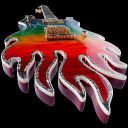
Playing the guitar is a trendy hobby for some and a passion for others. Minarik Guitar is your one-stop shop for all your guitar and accessories needs. They have fantastic-looking guitars that have some serious work done on them. They provide two prevalent guitars for their customers: Studio X-treme Series, which feels fantastic to hold and play, and the Super Custom Series, made with customers' needs in mind and have custom inlays and designs.
Website: minarikguitars.com |Brands like Minarik
Popularity 4.6/10
-
7

Curtis
Electric vehicle motor controllers for forklifts and golf carts, rated for high-current battery systems.
Popularity 4.6/10
-
8
Bodine
Bodine makes AC and DC gear motors, electric motors, motor controllers and related drive components. Its products are used in industrial and commercial equipment that needs reliable power and precise speed control. The company publishes detailed specifications so buyers can match a motor to their application.
Website: bodine-electric.com |Brands like Bodine
Popularity 4.2/10
-
9
Control Techniques
Machine-builder AC drives with a wide power range and open networking for factory automation.
Website: driveobsessed.com |Brands like Control Techniques
Popularity 4.2/10
-
10
Emerson
Emerson Radio is the country's oldest wholesaler of consumer electronics. They are a family-owned firm that collaborates with renowned brands to offer goods and solutions for the home, business, commercial, automobile, and marine markets. They have been one of the...
Website: emersonradio.com |Brands like Emerson
Popularity 3.8/10
-
11

Mitsubishi Electric
Inverters for pumps, fans and general machinery, popular on Japanese factory lines.
Website: mitsubishielectric.com |Brands like Mitsubishi Electric
Popularity 3.8/10
-
12
Schneider Electric
Schneider Electric is a worldwide energy management and automation company dedicated to making energy safer, more dependable, and efficient - for you. They are now the global market leader in integrated energy solutions for residential consumers, buildings, and industries. As...
Brands like Schneider Electric
Popularity 3.8/10
-
13

Eaton
Variable-speed drives for industrial and building use, often paired with its power distribution gear.
Popularity 3.7/10
-
14

Dayton
Motor speed controls sold through Grainger, aimed at workshop and light industrial users.
Website: dayton-phoenix.com |Brands like Dayton
Popularity 3.6/10
-
15

Yaskawa
Compact AC drives and servo systems, particularly common in machine tools and robot cells.
Website: yaskawa.com |Brands like Yaskawa
Popularity 3.0/10
-
16

Panasonic
Servo amplifiers and inverters for factory automation, within a broad electronics catalogue.
Popularity 3.0/10
-
17

GE
GE Lighting has been leading the lighting technology industry for over 130 years. Its mission is to provide customers with a first-class smart home experience. To do so, it has created novel lighting products designed to improve one's lifestyle and...
Website: gelighting.com |Brands like GE
Popularity 2.9/10
-
18
SMC
Factory engineers who need to move, clamp or switch machine parts use SMC hydraulic cylinders, solenoid valves, wire cable assemblies and linear actuators. SMC is a Japanese maker of pneumatic and automation equipment. Its parts are built for industrial control...
Popularity 2.8/10
-
19

Danfoss
Danfoss started its roots in 1993. The founder of the company is Mads Clausen. They provide robust solutions to a lot of industries in the current era. They deal with energy-efficient technology and help the technological development of the growing...
Website: danfoss.com |Brands like Danfoss
Popularity 2.7/10
-
20
Baldor
With the support of ABB, the new and improved Baldor-Reliance product brings you the world’s finest motor with quality and reliability. Baldor brings you energy and cost-effective motors for a long-term investment. Fully focused on quality and service the brand’s...
Website: baldor.com |Brands like Baldor
Popularity 2.7/10
-
21

Fasco
Fasco supplies electric furnace motors, especially the draft inducer motors that move combustion air. Its A151 and A189 models come in different speeds and voltages. Replacements are sold under OEM part numbers for worn inducers in residential and light commercial...
Popularity 2.0/10
-
22

Omron
Omron Industrial Automation offers automation systems that support reliable production, quality control, and effective assembly procedures. Based on the human body's sense of touch, they also offer integrated solutions for systems, tools, and software. They provide top-quality innovations for all...
Popularity 1.9/10
-
23

Honeywell
Development is not a new term that was introduced recently but was in existence for a long period. The success of every business and its associates always leads to the development of society. Honeywell is one of the leading groups...
Website: honeywell.com |Brands like Honeywell
Popularity 1.7/10
Official websites and social accounts
| Brand | Website | X / Twitter | YouTube | ||
|---|---|---|---|---|---|
| Oriental Motor | catalog.orientalmotor.com | /oriental.motor | – | @OrientalMotor | OrientalMotorUSA |
| Siemens | new.siemens.com | – | – | – | – |
| Minarik | minarikguitars.com | /MinarikGuitars | – | @MinarikGuitars | MinarikGuitarz |
| Bodine | bodine-electric.com | /BodineElectric | bodine_electric | @BodineElectric | BodineElectric |
| Control Techniques | driveobsessed.com | – | – | – | – |
| Emerson | emersonradio.com | /emersonradiocorp | emersonradiocorp | @buyemersonradio | – |
Speed Controller Buying Guide
Speed controllers are essential pieces of equipment in many modern applications, ranging from fan and motor control to robotics and automation. They allow for precise control of speed and torque, which can improve efficiency, reduce wear and tear, and help reduce the risk of accidents or other issues. If you're in the market for a speed controller, there are many options available, from simple rheostats to advanced digital controllers with multiple features and customization options. In this guide, we'll walk you through some of the key factors to consider when choosing a speed controller, from power ratings to input and output options, so you can select the best option for your needs.
Power Ratings
The first and most important factor to consider when selecting a speed controller is the power rating. This refers to the maximum amount of power or current that the controller can handle, and it's critical to ensure that the rating matches or exceeds the demands of your application. If you try to use a controller with a lower rating than required, it can overload and fail, potentially causing damage to the equipment or even posing a safety hazard. On the other hand, if you choose a controller with a higher rating than necessary, you may end up paying more than you need to, or dealing with additional complexity or features that you don't require.
When considering power ratings, there are a few key terms to understand. The first is voltage, which refers to the electrical potential difference between two points in a circuit. In most cases, speed controllers will be rated for a range of input voltages, such as 120-240 VAC or 24-48 VDC. The selection of voltage will depend on the specific application, which may involve other factors such as motor type, line frequency, and regulatory requirements.
Another important factor is amperage, which refers to the flow of electrical current through a circuit. Speed controllers may be rated for a maximum amperage, such as 10A or 50A, or a continuous amperage, which is the maximum current that the controller can handle on an ongoing basis. This is important to consider when selecting a controller for high-load applications, where the current draw may be variable depending on the demands of the motor or other equipment.
Input and Output Options
The next factor to consider is the input and output options of the speed controller. This refers to the types of signals or connections that the controller can accept, as well as the types of signals or connections that it can produce.
The most common type of input signal for a speed controller is a variable resistance, typically in the form of a potentiometer or rheostat. This allows the user to manually adjust the speed of the motor or other equipment by changing the amount of resistance in the circuit. Other types of input signals may include analog or digital signals from sensors, such as temperature or pressure sensors, or programmable signals from a computer or other device.
Similarly, the output options of a speed controller may vary depending on the application. In many cases, the controller will produce a variable voltage or current signal that is used to control the speed of a motor or other equipment. Other types of output signals may include PWM (Pulse Width Modulation) signals, which are commonly used in robotics and automation, or digital signals for controlling electronic devices or machinery.
Control Features
In addition to power ratings and input/output options, many speed controllers also offer various control features and customization options. These can range from basic safety features, such as overheating or overcurrent protection, to more advanced control algorithms that can optimize motor performance and reduce energy consumption. Here are a few common features to keep in mind:
- Soft Start: Soft start technology gradually increases the voltage to the motor or other equipment, which can help reduce wear and tear on the equipment and prolong its lifespan.
- Current Limiting: Current limiting technology prevents the motor or other equipment from drawing too much current, which can cause overheating or damage to the equipment.
- Feedback Control: Feedback control algorithms use sensors or other feedback mechanisms to adjust the speed or torque of the motor based on real-time performance data, which can help optimize performance and efficiency.
- Programmable Logic Control (PLC): Some speed controllers may offer advanced programming capabilities, allowing users to program custom control sequences, logic operations, and other features. This can be useful for automation and robotics applications.
- User Interface: The user interface of the speed controller may vary depending on the model, and can range from simple dials and switches to digital displays and touchscreens. Consider the type of user interface that will be most intuitive and efficient for your application.
Compatibility with Motor Type
Finally, it's important to ensure that the speed controller you choose is compatible with the type of motor or other equipment you'll be using. Different types of motors may have different electrical characteristics or control requirements, and using the wrong type of speed controller can cause damage or failure. Here are a few common motor types and their corresponding control requirements:
- DC Motors: DC motors require a controller that can vary the voltage or current to the motor in order to control its speed. Some types of DC motors may also require a reversing switch or other control features.
- AC Motors: AC motors can be further divided into two main types: induction motors and synchronous motors. Induction motors require a controller that can vary the frequency of the input power in order to control their speed, while synchronous motors require a controller that can synchronize the output frequency with the grid frequency.
- Stepper Motors: Stepper motors require a controller that can provide precise positioning and control of the motor shaft, typically using a series of pulses or digital signals.
Conclusion
Choosing the right speed controller can be a critical decision for many modern applications, from industrial automation to robotics and beyond. By keeping these key factors in mind, including power ratings, input/output options, control features, and compatibility with motor types, you can ensure that you select the best speed controller for your needs. Whether you're a hobbyist or a professional engineer, there are many options available to help you achieve precise control of your motors and other equipment, and help optimize their performance and efficiency.
