


The 22 best food tray brands
uxcell, Pampered Chef and Tupperware lead our ranking of 22 food tray brands. Compare what each brand makes, visit its official site, or shop it online.
Food Tray brands, ranked
TSCentral is reader-supported: we may earn a commission when you shop through links on this page. It does not affect the ranking.
-
1
uxcell
uxcell designs small hardware and electronics parts sold under its own label, including screwdrivers, terminal blocks and furniture accessories. Based in Hong Kong, it works directly with more than 100 factories in China and has operated since 2004.
Website: uxcell.com |Brands like uxcell
Popularity 10.0/10
-
2

Pampered Chef
Stoneware bakeware and countertop gadgets, often sold through home demonstrations and a catalogue of cook-friendly tools.
Website: pamperedchef.com |Brands like Pampered Chef
Popularity 4.9/10
-
3

Tupperware
Burp-seal plastic bowls and canisters, long sold at in-home parties, with a stacking design.
Website: tupperware.com |Brands like Tupperware
Popularity 4.2/10
-
4

Cambro
Heavy-duty polycarbonate food trays and compartment trays built for commercial kitchens, schools and cafeterias.
Top products: BCT1014
Website: cambro.com |Brands like Cambro
Popularity 4.0/10
-
5
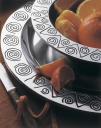
Wilton Armetale
Cast metal serveware with a soft pewter-look finish, covering serving trays, bowls and pitchers for entertaining.
Website: armetale.com |Brands like Wilton Armetale
Popularity 3.1/10
-
6

WinCo
Lightweight aluminum serving trays with a plain satin finish, sized for buffet and catering service.
Website: wincous.com |Brands like WinCo
Popularity 2.6/10
-
7

IKEA
Flat-pack serving trays and kitchen accessories in simple Scandinavian designs, sold as part of a wider home range.
Website: ikea.com |Brands like IKEA
Popularity 2.2/10
-
8

Arthur Court
Decorative hand-finished aluminium trays and serveware with ornate patterns, suited to formal dining and display.
Website: arthurcourt.com |Brands like Arthur Court
Popularity 2.2/10
-
9

Rae Dunn
Glazed clay pottery with playful single-word lettering, including serving trays and mugs in a casual farmhouse style.
Website: raedunn.com |Brands like Rae Dunn
Popularity 2.1/10
-
10

Lenox
Fine porcelain tray with a hand-applied gold rim, usually sold as a matching set with dinner plates.
Popularity 2.0/10
-
11
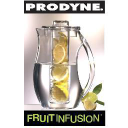
Prodyne
Acrylic and stainless serving trays and everyday kitchen gadgets, including the cheese slicers the brand started with.
Website: prodyne.com |Brands like Prodyne
Popularity 1.9/10
-
12

Reston Lloyd
Melamine and plastic serving trays, bowls and kitchen basics aimed at everyday household use.
Website: restonlloyd.com |Brands like Reston Lloyd
Popularity 1.8/10
-
13

ONEIDA
Tabletop flatware and hollowware, historically made in upstate New York, sold in many named patterns.
Website: oneida.com |Brands like ONEIDA
Popularity 1.8/10
-
14

Pimpernel
Placemats, coasters and serving trays with printed and woven designs, made to be easy to wipe clean.
Website: pimpernelinternational.com |Brands like Pimpernel
Popularity 1.7/10
-
15

Mud Pie
Whimsical gift and kitchen items with a playful, lifestyle look, including serving trays and melamine pieces.
Website: mudpie.com |Brands like Mud Pie
Popularity 1.7/10
-
16

Gibson
Tableware, glassware and kitchen equipment supplied in volume to retail chains and hospitality buyers.
Popularity 1.7/10
-
17

Boston Warehouse
Massachusetts-based housewares company whose bakeware and baking pans cater to home bakers.
Website: bwtc.com |Brands like Boston Warehouse
Popularity 1.7/10
-
18

Vollrath
Commercial food-service trays and kitchen equipment, long used in restaurants and institutional cafeterias.
Website: vollrathfoodservice.com |Brands like Vollrath
Popularity 1.6/10
-
19

Spode
Trays printed with the Blue Italian pattern, a blue-and-white English design sold as matching sets with dinnerware.
Website: spode.com |Brands like Spode
Popularity 1.6/10
-
20

Pioneer Woman
Walmart-exclusive line designed by Ree Drummond, with gingham prints and bright enamel-look colours.
Website: thepioneerwoman.com |Brands like Pioneer Woman
Popularity 1.6/10
-
21

Mygift
Wooden serving tray sets and rustic wall decor, with distressed finishes and vintage-look details.
Website: mygift.com |Brands like Mygift
Popularity 1.4/10
-
22
Better Homes & Gardens
Everyday kitchen basics such as glass food storage and mixing bowls, stocked in most big-box stores.
Brands like Better Homes & Gardens
Popularity 1.4/10
Official websites and social accounts
| Brand | Website | X / Twitter | YouTube | ||
|---|---|---|---|---|---|
| uxcell | uxcell.com | – | – | – | – |
| Pampered Chef | pamperedchef.com | /ThePamperedChef | pamperedchef | @pamperedchef | – |
| Tupperware | tupperware.com | /tupperwareusca | tupperwareusca | @tupperware | Tupperware US and Canada |
| Cambro | cambro.com | /CambroMfg | cambromfg | @Cambro1 | iamcambro |
| Wilton Armetale | armetale.com | – | – | – | – |
| WinCo | wincous.com | /wincous | wincofoodservice | – | Winco Foodservice |
| IKEA | ikea.com | – | – | – | – |
| Arthur Court | arthurcourt.com | /arthurcourtdesigns | arthurcourtdesigns | – | Arthur Court |
| Rae Dunn | raedunn.com | /raedunnclay | raedunn | @raedunnclay | – |
Food Tray Buying Guide
Food trays are among the most commonly used items in the foodservice industry. They come in handy for a variety of situations, such as serving food at events, catering, and even for takeout orders. Choosing the right tray for your needs is crucial for ensuring your customers' satisfaction and your business's success. With countless options available, selecting the right food trays can quickly become overwhelming. This article will serve as a guide to help you choose the best food trays for your food service business.
Types of Food Trays
Before purchasing food trays, it is essential to know the different types available. Here are some of the most common types of food trays:
Plastic Trays
Plastic food trays are a popular choice for a variety of reasons. They are lightweight, durable, and cost-effective. Plastic trays are also available in a variety of colors and styles, making it easy to match your restaurant's aesthetics. However, they are not eco-friendly, and they may not be the best option for hot food items as they can melt at higher temperatures.
Paper Trays
Paper food trays are eco-friendly, and they come in handy for serving food items that are hot and cold. They are affordable, lightweight, and they come in a variety of sizes. However, paper trays may not be suitable for heavy and bulky food items as they may not hold up well.
Foam Trays
Foam food trays are another popular choice for restaurants. They are sturdy, lightweight, and provide excellent insulation. They are an excellent option for serving hot and cold food items. However, one of the biggest drawbacks of foam trays is that they are not recyclable.
Aluminum Trays
Aluminum food trays are ideal for serving hot dishes that require baking. They are sturdy, and they can go from the oven straight to the customer. Aluminum trays also come in different sizes and styles, making it easy to choose the right one for your needs. However, aluminum trays may not be the best option for cold food items.
Size of the Tray
The size of a food tray is an essential factor to consider when purchasing food trays. The size of the tray will depend on the type of food item you plan to serve. If you are serving a sandwich or burger, you will need a smaller tray. However, if you are serving a full meal with sides, you will need a larger tray. Ensure you select the correct size of the food tray to avoid the tray overflowing or your customer feeling like they didn't get enough food.
Shape of the Tray
The shape of the tray is another important factor to consider when selecting food trays. Some of the most common shapes of food trays include square, rectangle, and round. The shape of the tray will depend on the type of food item you are serving. For example, a square tray may be ideal for serving sandwiches or pizza, while a rectangular tray may be ideal for serving burgers or fries. Round trays may be ideal for serving sushi or individual servings of pasta.
Material of the Tray
The material of the tray is essential for durability and sustainability. Consider the environmental impact of the material you choose. If possible, choose eco-friendly materials such as paper or compostable plastic. In addition to environmental considerations, the material of the tray will also determine its durability. Some materials, such as plastic and aluminum, are more durable than others like paper and foam.
Cost of the Tray
The cost of the tray is another crucial factor to consider. You must balance the cost of the tray with its durability, eco-friendliness, and suitability for your specific needs. Plastic and foam trays are generally cheaper than paper and aluminum trays. However, the cost-saving in purchasing plastic and foam may not compensate for the environmental impact, poor insulation, and lower durability.
Quantity Needed
When purchasing food trays, it is essential to consider the quantity needed. Determine the number of food trays you will need on a regular basis. Purchase in bulk or higher quantity to save on costs, but keep in mind any storage constraints or purchase dates to ensure the trays will be usable when needed.
Conclusion
Choosing the right food trays can be a challenge, but it is a crucial decision to ensure the success of your foodservice business. Consider the type, size, shape, material, cost, and quantity needed of the trays to select the right ones for your specific needs. Whether you need trays for catering, events or takeout orders, ensure your choice of tray focuses on customer satisfaction, cost-efficiency, and sustainability.


