
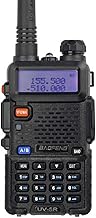
The 30 best ham radio brands
Yaesu, Icom and Kenwood lead our ranking of 30 ham radio brands. Compare what each brand makes, visit its official site, or shop it online.
Ham Radio brands, ranked
TSCentral is reader-supported: we may earn a commission when you shop through links on this page. It does not affect the ranking.
-
1

Yaesu
Yaesu makes HF, VHF and UHF amateur transceivers, handhelds and mobile radios for hobbyists.
Website: yaesu.com |Brands like Yaesu
Popularity 10.0/10
-
2

Icom
Icom makes amateur HF, VHF and UHF transceivers, handheld radios and related accessories.
Website: icomamerica.com |Brands like Icom
Popularity 7.3/10
-
3

Kenwood
Kenwood makes amateur HF and VHF/UHF transceivers, mobile radios and handhelds.
Website: kenwood.com |Brands like Kenwood
Popularity 6.9/10
-
4

Motorola
Motorola makes commercial two-way radios, mainly for business and public safety, not amateur-band gear.
Website: motorola.com |Brands like Motorola
Popularity 4.7/10
-
5

Heathkit
Heathkit historically sold amateur radio kits and transceivers, and the brand has been revived for kits.
Website: heathkit.com |Brands like Heathkit
Popularity 4.4/10
-
6
NooElec
NooElec makes low-cost RTL-SDR receivers and antenna and filter accessories used by radio hobbyists.
Website: nooelec.com |Brands like NooElec
Popularity 3.0/10
-
7

Elecraft
Elecraft makes compact kit and assembled HF transceivers, amplifiers and accessories for amateur operators.
Website: elecraft.com |Brands like Elecraft
Popularity 2.9/10
-
8

MFJ
MFJ makes antenna tuners, SWR meters, dummy loads and other accessories for amateur radio stations.
Website: mfjenterprises.com |Brands like MFJ
Popularity 2.4/10
-
9

TEN-TEC
TEN-TEC makes HF amateur transceivers and related station equipment for operators.
Website: tentec.com |Brands like TEN-TEC
Popularity 2.4/10
-
10
AOR
AOR makes wideband communications receivers and scanners that hobbyists use for listening to radio bands.
Website: aorusa.com |Brands like AOR
Popularity 2.4/10
-
11
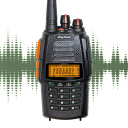
AnyTone
AnyTone makes DMR and FM handheld and mobile radios sold to amateur operators.
Website: anytonetech.com |Brands like AnyTone
Popularity 2.0/10
-
12
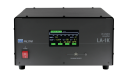
Palstar
Palstar makes antenna tuners, baluns and HF amplifiers for amateur radio stations.
Website: palstar.com |Brands like Palstar
Popularity 1.9/10
-
13
Johnson
Johnson historically made Viking amateur transmitters and HF equipment, now mostly known through classic gear.
Website: johnsongtr.com |Brands like Johnson
Popularity 1.7/10
-
14

Hytera
Hytera makes professional DMR and analog two-way radios for business and public safety users.
Website: hytera.us |Brands like Hytera
Popularity 1.5/10
-
15

Midland
Midland makes CB, GMRS and weather radios, and also sells some amateur handheld transceivers.
Website: midlandusa.com |Brands like Midland
Popularity 1.5/10
-
16

BTECH
BTECH makes low-cost amateur handheld and mobile radios sold to hobby operators.
Website: btech.com |Brands like BTECH
Popularity 1.5/10
-
17

INTEK
INTEK makes amateur VHF and UHF handheld and mobile transceivers for hobbyists.
Website: intek-radios.com |Brands like INTEK
Popularity 1.5/10
-
18

Galaxy
Galaxy Lighting is a leading Lighting company selling various lighting solutions like Wall lights and Pendants. Their products are available online and in showrooms across countries. They carry indoor and outdoor lighting that can be used at homes and in...
Website: galaxy-lighting.com |Brands like Galaxy
Popularity 1.4/10
-
19

Marconi
Handbags are not only an efficient and stylish way to carry all your belongings, but they can also enhance your outfit and make you look elegant. The Tonelli brothers founded Francesco Marconi, a company that dedicated all of its resources...
Website: fmarconi.ru |Brands like Marconi
Popularity 1.4/10
-
20

Diamond
Diamond makes amateur radio antennas, including mobile, base and VHF/UHF whip antennas and feedline accessories.
Website: diamondcabinets.com |Brands like Diamond
Popularity 1.3/10
-
21
TECSUN
TECSUN makes portable shortwave and general coverage receivers that radio listeners use for broadcast bands.
Website: tecsunradios.com.au |Brands like TECSUN
Popularity 1.3/10
-
22

Maxon
Maxon manufactures and distributes two-way radio and data radio equipment. Some of their excellent products are analog portable radios with capabilities such as monitoring, scan, lone worker, emergency alert, flashlight, and a battery saver, utilized in schools, restaurants, retail establishments,...
Website: maxonamerica.com |Brands like Maxon
Popularity 1.3/10
-
23

Heil
Heil Ham Radio makes microphones and headsets designed for amateur radio operators.
Website: heilhamradio.com |Brands like Heil
Popularity 1.3/10
-
24

Zenith
Since 1994, Zenith has provided full-service kitchen and bathroom renovations to Pittsburgh residents. They are devoted to giving you the best probable grade at the best price. Despite being in business for 25 years, they are continuously expanding thanks to...
Website: zenithkitchenandbath.com |Brands like Zenith
Popularity 1.1/10
-
25

Astron
Astron makes linear regulated DC power supplies widely used to power amateur radio transceivers.
Website: astroncorp.com |Brands like Astron
Popularity 1.1/10
-
26
TYT
TYT makes low-cost amateur handheld, mobile and DMR radios sold to hobby operators.
Website: tyt888.com |Brands like TYT
Popularity 1.1/10
-
27
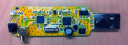
RTL-SDR
RTL-SDR makes and sells RTL-SDR software defined radio receiver dongles used by radio hobbyists.
Website: rtlsdr.com |Brands like RTL-SDR
Popularity 1.1/10
-
28

Baofeng
Baofeng makes low-cost amateur VHF and UHF handheld transceivers popular with hobby operators.
Website: baofengtech.com |Brands like Baofeng
Popularity 1.0/10
-
29

Micrometals
Micrometals makes powdered iron toroid cores used by hobbyists in homebrew amateur radio filters and coils.
Website: micrometals.com |Brands like Micrometals
Popularity 1.0/10
-
30
Nagoya
Nagoya makes whip and dual-band antennas for handheld amateur radios and scanners.
Website: nagoya.com.tw |Brands like Nagoya
Popularity 0.9/10
Official websites and social accounts
| Brand | Website | X / Twitter | YouTube | ||
|---|---|---|---|---|---|
| Yaesu | yaesu.com | – | – | – | – |
| Icom | icomamerica.com | /icomamericainc | icomamericainc | @icomamericainc | – |
| Kenwood | kenwood.com | – | – | – | – |
| Motorola | motorola.com | – | – | – | – |
| Heathkit | heathkit.com | /heathcompany | – | – | – |
| NooElec | nooelec.com | – | – | – | – |
| Elecraft | elecraft.com | /Elecraft.Inc | elecraft_ | @elecraft | – |
| MFJ | mfjenterprises.com | /MFJ-Enterprises-Inc | mfj_enterprises | @mfjenterprises | MFJ Enterprises Inc |
| TEN-TEC | tentec.com | – | – | – | – |
| AOR | aorusa.com | /groups | – | – | – |
Ham Radio Buying Guide
Introduction
Ham radio, also known as amateur radio, is a popular hobby that allows people to communicate with each other using radio frequency waves. With the correct equipment, enthusiasts can establish contact with other ham radio stations all over the world. Ham radio is much more than just a hobby; it is also a means of emergency communication during natural disasters, power outages, and other emergencies.
If you are interested in getting started in ham radio, there are several things you need to consider before buying your first radio. This guide will help you choose the right equipment and get started with your new hobby.
Frequency Bands
Ham radio operators communicate on a variety of frequency bands. These bands include HF (High Frequency), VHF (Very High Frequency), and UHF (Ultra High Frequency). Each band has its characteristics and requires different types of equipment. Before purchasing a ham radio, it is essential to decide which frequency band you will use and what activities you plan on doing. HF bands are popular among long-range contacts, while VHF and UHF bands are often used for local communication.
Licensing Requirements
Before buying a ham radio, you must have a valid amateur radio operator’s license. To obtain this license, you must pass an exam that covers operating procedures, regulations, and technical knowledge. There are three different classes of amateur radio licenses granted by the FCC (Federal Communications Commission).
- Technician Class – This license grants access to VHF and UHF bands and is the easiest license to obtain.
- General Class – This license grants access to all HF bands and allows you to communicate with other operators worldwide.
- Extra Class – This license grants access to exclusive frequencies and is the highest class of amateur radio license.
You can prepare for the exam by studying the ARRL (American Radio Relay League) handbook and taking practice exams online. Many ham radio clubs and organizations also offer license exam preparation courses.
Type of Radio
Ham radios come in various shapes and sizes, ranging from handheld radios to base stations. Handheld radios are convenient for portable use and are ideal for local communication on VHF and UHF bands. They are also useful during hiking, camping and other outdoor activities. Base stations, on the other hand, offer better performance and more power, making them suitable for HF bands and long-range communication.
Certain radios may also come with additional features, such as digital signal processing, voice recording, and memory storage. These features can make it easier to communicate and can enhance your overall experience.
Power Output
Power output is an important factor to consider when purchasing a ham radio. Higher power output allows for greater range and better communication. However, high-power radios require more power and can be more expensive. It is also essential to note that some frequency bands have power output limits, which must be followed to comply with FCC regulations.
A handheld radio typically has a power output of less than 5 watts, while a base station radio can have a power output of up to 1500 watts. However, most base stations have power outputs of 100 watts to 500 watts.
Budget
Before buying a ham radio, it is essential to consider your budget carefully. Ham radio equipment can be expensive, with prices ranging from a few hundred dollars to several thousand dollars. Handheld radios are generally less expensive, while base stations are more expensive but offer better performance.
You should also factor in the cost of accessories, such as antennas, microphones, and cables. These items can add up quickly and can significantly impact your overall budget.
Brand and Quality
Choosing a reputable brand and high-quality product is essential when purchasing a ham radio. Reputable brands have a proven track record of providing reliable and durable equipment that meets industry standards. They also offer good customer support and often provide warranty and repair services.
Cheap and inferior quality radios may be tempting, but they are often unreliable and may not meet FCC regulations. They also provide poor performance and can make the overall experience less enjoyable.
Some of the most popular and reputable ham radio brands include Yaesu, Kenwood, Icom, and Alinco.
Conclusion
Ham radio can be an enjoyable and rewarding hobby that provides a means of communication and emergency preparedness. Before purchasing a ham radio, it is essential to consider your needs, budget, and licensing requirements carefully. You should also choose a reputable brand and high-quality product to ensure optimal performance and reliability.
With the right equipment and knowledge, you can join the ranks of ham radio operators and enjoy the rewards of this exciting and challenging hobby.


