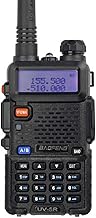
The 30 best radio communication brands
Yaesu, Icom and Kenwood lead our ranking of 30 radio communication brands. Compare what each brand makes, visit its official site, or shop it online.
Radio Communication brands, ranked
TSCentral is reader-supported: we may earn a commission when you shop through links on this page. It does not affect the ranking.
-
1

Yaesu
Yaesu makes amateur and commercial HF, VHF and UHF transceivers plus handheld radios.
Website: yaesu.com |Brands like Yaesu
Popularity 10.0/10
-
2

Icom
Icom makes amateur, marine and commercial radios, including HF transceivers and handheld units.
Website: icomamerica.com |Brands like Icom
Popularity 8.9/10
-
3

Kenwood
Kenwood makes amateur HF and VHF/UHF transceivers and mobile radios for amateur use.
Website: kenwood.com |Brands like Kenwood
Popularity 8.4/10
-
4

Heathkit
Heathkit historically sold amateur radio kits and transceivers, and the brand has revived some kit products.
Website: heathkit.com |Brands like Heathkit
Popularity 4.7/10
-
5

MFJ
MFJ makes antenna tuners, station accessories, and other amateur radio products.
Website: mfjenterprises.com |Brands like MFJ
Popularity 3.7/10
-
6
Henry
Francis & Henry is a European apparel company that focuses on necessities for Maternity, Nursing, and the Hospital Bag. It was founded in 2016. Francis & Henry has a variety of pregnant, childbirth, and lactation goods. Their apparel line is extremely feminine yet functional, handcrafted in Poland from soft and delicate materials, allowing mothers to enjoy parenthood in both style and comfort. Their goods are beautifully packaged and make the ideal present for a cherished mom.
Website: francisandhenry.com |Brands like Henry
Popularity 3.7/10
-
7

Heil Sound
Heil Sound makes dynamic microphones and headsets, including models for amateur radio use.
Website: heilsound.com |Brands like Heil Sound
Popularity 2.4/10
-
8

TEN-TEC
Ten-Tec makes amateur HF transceivers and related station equipment.
Website: tentec.com |Brands like TEN-TEC
Popularity 2.2/10
-
9
AOR
AOR makes wideband scanning receivers and communications receivers.
Website: aorusa.com |Brands like AOR
Popularity 2.2/10
-
10

Midland
Midland makes CB radios, GMRS and FRS two-way radios, and weather radios.
Website: midlandusa.com |Brands like Midland
Popularity 2.1/10
-
11
Johnson
Consumer Healthcare, Medical Devices, and Consumer Products make up the three business sectors of the global consumer products and pharmaceutical firm Johnson & Johnson. The company's primary line of business is the development, production, marketing, and distribution of prescription and...
Website: johnsongtr.com |Brands like Johnson
Popularity 1.9/10
-
12

Diamond
Diamond Antenna makes amateur and commercial antennas, including mobile and base station models.
Website: diamondcabinets.com |Brands like Diamond
Popularity 1.8/10
-
13

Comet
Comet is one of the largest retailers of racing karts, engines, hardware, and tools on the net. It operates from Greenfield, Indiana. It supplies everything from devices such as nuts and bolts to engines that are capable of winning races,...
Website: cometkartsales.com |Brands like Comet
Popularity 1.8/10
-
14

Micrometals
Micrometals makes powdered iron and ferrite toroid cores used in RF circuits and radio components.
Website: micrometals.com |Brands like Micrometals
Popularity 1.8/10
-
15

Baofeng
Baofeng makes low-cost handheld amateur and FRS-style two-way radios.
Website: baofengtech.com |Brands like Baofeng
Popularity 1.7/10
-
16
AnyTone
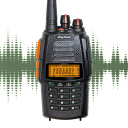
AnyTone makes handheld and mobile DMR and analog amateur radios.
Website: anytonetech.com |Brands like AnyTone
Popularity 1.6/10
-
17

Elecraft
Elecraft makes HF transceivers, amplifiers, and kit-built amateur radio equipment.
Website: elecraft.com |Brands like Elecraft
Popularity 1.6/10
-
18

JRC
JRC makes marine, aeronautical and communications receivers and radio equipment.
Website: jrc.co.jp |Brands like JRC
Popularity 1.5/10
-
19

NooElec
NooElec makes low-cost RTL-SDR receivers and related radio accessories.
Website: nooelec.com |Brands like NooElec
Popularity 1.5/10
-
20

Amphenol
Amphenol makes RF coaxial connectors and cable assemblies used in radio systems.
Website: amphenol.com |Brands like Amphenol
Popularity 1.4/10
-
21

TECSUN
Tecsun makes portable shortwave, AM, FM and digital radio receivers.
Website: tecsunradios.com.au |Brands like TECSUN
Popularity 1.4/10
-
22

Tigertronics
Tigertronics makes SignalLink audio and control interfaces for amateur radio digital modes.
Website: tigertronics.com |Brands like Tigertronics
Popularity 1.4/10
-
23

Hytera
Hytera makes professional land mobile radios, handhelds and related communications systems.
Website: hytera.us |Brands like Hytera
Popularity 1.3/10
-
24

Moonraker
Moonraker provides Radio communication products for diverse fields such as Marine and Avionics. They make quality products to ensure that everyone uses radio waves for communication in the best way possible. They have an extensive product portfolio consisting of antenna...
Website: moonrakeronline.com |Brands like Moonraker
Popularity 1.3/10
-
25

Galaxy
Galaxy Lighting is a leading Lighting company selling various lighting solutions like Wall lights and Pendants. Their products are available online and in showrooms across countries. They carry indoor and outdoor lighting that can be used at homes and in...
Website: galaxy-lighting.com |Brands like Galaxy
Popularity 1.3/10
-
26

Hustler
Hustler is a brand made for fulfilling every man's and women's sexual dreams. Founded by Larry Flynt, Hustler's central vision is to break the stereotypes related to sexual desires. They have a massive collection of various sexual products, including dildos,...
Website: hustlerhollywood.com |Brands like Hustler
Popularity 1.2/10
-
27

Mini-Circuits
Mini-Circuits makes RF amplifiers, filters, and other components for radio and microwave systems.
Website: minicircuits.com |Brands like Mini-Circuits
Popularity 1.2/10
-
28
TYT
TYT makes low-cost handheld and mobile amateur and business radios.
Website: tyt888.com |Brands like TYT
Popularity 1.2/10
-
29

Tait
Tait makes professional land mobile radios and communications systems.
Website: taitradio.com |Brands like Tait
Popularity 1.2/10
-
30

QYT
QYT makes handheld and mobile amateur radios sold at low cost.
Website: qytradio.com |Brands like QYT
Popularity 1.1/10
Official websites and social accounts
| Brand | Website | X / Twitter | YouTube | ||
|---|---|---|---|---|---|
| Yaesu | yaesu.com | – | – | – | – |
| Icom | icomamerica.com | /icomamericainc | icomamericainc | @icomamericainc | – |
| Kenwood | kenwood.com | – | – | – | – |
| Heathkit | heathkit.com | /heathcompany | – | – | – |
| MFJ | mfjenterprises.com | /MFJ-Enterprises-Inc | mfj_enterprises | @mfjenterprises | MFJ Enterprises Inc |
| Henry | francisandhenry.com | /francisandhenry | francisandhenry | – | – |
| Heil Sound | heilsound.com | – | – | – | – |
| TEN-TEC | tentec.com | – | – | – | – |
| AOR | aorusa.com | /groups | – | – | – |
| Midland | midlandusa.com | /MidlandUSA | midlandusa | @MidlandUSA | Midlandusa |
Radio Communications Buying Guide
Radio communication is an essential component of many industries – from public safety and emergency services to transportation, construction, and hospitality. When it comes to purchasing radio communication equipment, there are many factors to consider, including your industry, environment, and specific communication needs. Here is a guide to help you make an informed decision when buying radio communication equipment.
Types of Radios
There are two main types of radios: handheld and mobile. Handheld radios are portable and operate on either rechargeable batteries or disposable batteries. They are ideal for on-the-go communication, whether you are working on a construction site or responding to an emergency call. Mobile radios, on the other hand, are installed in a vehicle and are designed to offer reliable communication over long distances. Mobile radios are ideal for industries such as transportation and public safety where communication over a wide area is needed.
Frequencies
The frequency of your radio determines its range and clarity. There are several frequency bands, including very high frequency (VHF), ultra-high frequency (UHF), and the digital mobile radio (DMR) frequency. VHF radio frequencies are used for long-distance communication and are ideal for outdoor use over open areas. UHF radio frequencies are best for indoor use or communication in areas with buildings or other obstacles since they have a shorter range. DMR frequency is a newer technology that offers a greater range and clearer voice communication.
Channels
The number of channels your radio has determines how many different groups can communicate on the same frequency. For instance, if you have a two-channel radio, you can allocate one channel for your team communication and the other for general communication. Depending on your industry, you may require a radio with more channels to accommodate more groups.
Battery Life
The battery life of your radio is an important consideration if you need your communication devices to last the entire work day. Batteries come in both disposable and rechargeable styles. Choosing between the two depends on your needs, but rechargeable batteries are a more cost-effective option in the long run.
Durability
The durability of your radio is crucial, especially if it is used in a rugged environment. Some radios are designed to handle extreme weather conditions, while others are waterproof, dustproof or both. When purchasing a radio for outdoor use, you should look for features such as a sturdy metal casing, rubberized grips and durable antennas.
Additional Features
When considering a radio, you should look for additional features that may be beneficial in your industry. Some radios come with built-in GPS that allows for tracking, while others have priority channels that can be accessed in emergencies. Some radios come with a headphone jack for clear communication in noisy environments, while others have a hands-free option that uses voice activation.
Price Range
The price range for radios will vary based on the features and functionality of the device. Handheld radios can start from as little as $20, while mobile radios can cost several hundred dollars. It is essential to consider the features you need and your budget before deciding on a radio. Selecting a radio that meets your needs is vital in the effectiveness of your communication and efficiency of workflow.
Conclusion
When it comes to buying radio communication devices, there are several factors to consider. The type of radio, frequency, and number of channels are essential features that should be considered. Battery life and durability are also crucial if you need your device to last long and work in harsh environments. Additional features such as GPS and priority channels can be beneficial specific to your industry. Ultimately, the price should be weighed against features and budgetary constraints. Taking these key factors into account will ensure you find the best radio communication devices for your needs.
Types of Radios: Handheld Radios
Handheld radios are portable and are often used in industries such as security, hospitality, and retail. They can operate on either rechargeable batteries or disposable batteries that allow for easy replacement, increasing their convenience in remote areas. Handheld radios, also known as Portable Radios or Walkie Talkies, are highly preferred in situations where the user needs to be mobile like in schools, event security, and construction sites. Handheld Radios come in varying sizes, shapes and with different specifications that should be considered before making a purchase.
Size and Weight
The size and weight of the handheld radio must be considered when selecting the device. Heavy radios are difficult to carry and may cause fatigue to the user. A small, compact radio can be used for covert operation or where the user may be in motion. However, radios that are too small may have small buttons or displays that are hard to operate. Choose the size and weight of the radio that is suitable for your environment and use.
Power Output
Power Output refers to the amount of energy that a radio emits in broadcasts. Handheld radios range from 1- 5 watts which determine the radio's range of coverage. A radio with a higher power output will provide more coverage, especially in an outdoor environment, providing clear and reliable communication. Note that regulatory authorities dictate the maximum allowable output for specific bands, and radio users should ensure that they adhere to these standards.
Types of Radios: Mobile Radios
Mobile Radios are installed in a vehicle and are designed to offer reliable communication over long distances. Mobile Radios are ideal for industries such as transportation and logistics, law enforcement and emergency services, where communication over a wide area is needed. Users require a mobile radio with high power output to transmit over a larger area, reliable connectivity, and features to enable hands-free operation to ensure driving safety.
Installation and Compatibility
The installation process of the mobile radio should be considered to ensure that the device is mounted correctly and is compatible with your environment. A professional installer should install the mobile radio for optimal performance. It's also vital to investigate the compatibility of the new device with your existing system, such as your attachments and microphones, thereby reducing the cost of acquiring new accessories and/or hardware that might not be necessary.
Subbands and Power Output
Mobile Radios have sub-bands that enable the user to converse on multiple channels, making it easy to communicate with multiple groups. These channels are not available on handheld radios. Power Output is another important consideration. When choosing the device, users should ensure that it has high wattage, which enables transmission over a larger area.
The Radio Communication System
The Radio Communication System is an essential component of radio communication equipment. The system is made up of various components, including antennas, repeaters, and base stations. The Radio Communication System components work together to ensure radios operate efficiently and effectively, transmitting and receiving clear and reliable communication in your physical environment.
Antennas
The antenna connects the mobile radios and handheld radios to the Radio Communication System. Depending on the environment, different types of antennas should be used to improve the radio's capability to transmit and receive clear communication. Antennas come in different sizes, depending on the coverage required.
Repeaters
Repeaters are devices used to improve radio coverage. They relay transmissions from radio frequency waves that may be obstructed, ensuring a clear signal. Repeaters work by retransmitting the signal to the desired location while amplifying the signal for the desired coverage range, depending on the type of repeater. Repeaters are of vital importance when working in locations with physical obstacles, distress in power or as a backup in the case of natural disasters. The reliability of repeaters when selected and installed correctly is impressive.
Conclusion
Investing in the best radio communication equipment is crucial for efficient communication and streamlined operations in various industries. When considering purchasing radio communication equipment, both handheld radios and mobile radios are ideal options for different scenarios. Both devices come with unique features suitable for different environments, and users are advised to review the features to ensure that they select equipment compatible with their surroundings. There are also additional components to consider, including antennas, repeaters, and base stations, that collectively form your Radio Communication System. Understanding the various elements when purchasing radios for the enterprise is fundamental to choose the device that provides the most coverage, reliable connectivity and services that are within budgeting constraints.