

The 27 best toys & games brands
Hasbro, LeapFrog and Mattel lead our ranking of 27 toys & games brands. Compare what each brand makes, visit its official site, or shop it online.
Toys & Games brands, ranked
TSCentral is reader-supported: we may earn a commission when you shop through links on this page. It does not affect the ranking.
-
1
Hasbro
Owns many game and action franchises, with fan collectibles and exclusives sold through its official site.
Website: hasbropulse.com |Brands like Hasbro
Popularity 10.0/10
-
2
LeapFrog
Pen-based reading systems and handheld learning toys for preschool to early primary ages.
Website: leapfrog.com |Brands like LeapFrog
Popularity 7.8/10
-
3

Mattel
Uno, Scrabble and Pictionary anchor its game shelf, with View-Master viewers and Magic 8 Ball novelties nearby.
Website: shop.mattel.com |Brands like Mattel
Popularity 6.9/10
-
4
Pressman
Compact travel editions of classic card and board games, many small enough for a backpack.
Website: pressmantoy.com |Brands like Pressman
Popularity 5.6/10
-
5

VTech
Kidizoom kids' cameras and InnoTab tablets with rechargeable batteries and cartridges for ages three to six.
Website: vtechkids.com |Brands like VTech
Popularity 5.1/10
-
6
Nintendo
Switch consoles and first-party titles such as Mario games.
Website: nintendo.com |Brands like Nintendo
Popularity 4.6/10
-
7

Jazwares
Licensed plush, collectible figures and video game accessories, often built on popular franchises.
Website: jazwares.com |Brands like Jazwares
Popularity 4.6/10
-
8

Schylling
Retro-style tins and squishy NeeDoh fidget toys, many sold as stress-relief sensory items.
Top products: NeeDoh Nice Cube
Website: schylling.com |Brands like Schylling
Popularity 4.3/10
-
9

JAKKS Pacific
Action figures, plush and collectibles licensed from film and TV franchises, plus learning toys.
Website: jakks.com |Brands like JAKKS Pacific
Popularity 4.2/10
-
10

Spin Master
Paw Patrol and Hatchimals lines, plus preschool toys and games aimed at young children.
Website: spinmaster.com |Brands like Spin Master
Popularity 4.2/10
-
11

TOMY
Japanese maker of Tomica die-cast cars and Plarail trains, with preschool toys for younger children.
Website: us.tomy.com |Brands like TOMY
Popularity 4.0/10
-
12

Jada Toys
Die-cast cars and licensed pop-culture replicas, often in larger scale than rivals' models.
Website: jadatoysinc.com |Brands like Jada Toys
Popularity 3.9/10
-
13
Funko
Mainly Pop! vinyl figures, with a separate board game arm making licensed and themed family games.
Website: funkogames.com |Brands like Funko
Popularity 3.2/10
-
14

Melissa & Doug
Wooden play sets, puzzles and role-play kits for preschoolers, mostly without batteries.
Website: melissaanddoug.com |Brands like Melissa & Doug
Popularity 3.2/10
-
15
Mega Bloks
Mega Bloks are the newest construction kits that combine digital and traditional play to encourage children to create their worlds. The toys provide limitless opportunities for open-ended creativity, whether writing their tale, role-playing, or communicating with pals on social media....
Popularity 3.1/10
-
16

SEGA
The Mega Drive console launched one of Sega's most important eras, and the Japanese company still sells game consoles and controllers. Its catalog also includes anime action figures tied to its games, alongside the hardware it sells. Sega's hardware and...
Website: sega.com |Brands like SEGA
Popularity 3.1/10
-
17

ThinkFun
Thinkfun makes learning fun. They put a continuous effort into making puzzle games and brainteasers for the growth and development of the brain. It is fun to think, and as a parent might face the problem of providing stimulating games...
Website: thinkfun.com |Brands like ThinkFun
Popularity 3.0/10
-
18

Learning Resources
Learning Resources is your one-stop-shop for fun learning toys. With over 2000 goods, they have everything teachers and parents need to raise an extraordinary generation of children. To ensure that their toys are developmentally appropriate, they are created by early...
Website: learningresources.com |Brands like Learning Resources
Popularity 2.9/10
-
19
Playmates Toys
Playmates Toys is the leading specialized toy and entertainment business, creating, manufacturing, and marketing an original, branded portfolio of toys, clothes, books, and other items based on well-known concepts. Toys such as Ninja Turtles, My Little Pony, Barbie, and Star...
Website: playmatestoys.com |Brands like Playmates Toys
Popularity 2.9/10
-
20

Radica
Radica is a company dedicated to airframes and parts. They have a targeted audience and sell their products to them. The love for flying paper planes starts at a young age, and in many adults, it takes the shape of...
Popularity 2.7/10
-
21
Discovery Toys
Discovery Toys was established in 1978. They are dedicated to making toys for toddlers to help them interact with the outside world and learn all the developmental skills that a child needs in the early stages. Discovery Toys has a...
Website: discoverytoys.net |Brands like Discovery Toys
Popularity 2.6/10
-
22

NERF
NERF started in 1969 as a toy line and now belongs to Hasbro. Its foam blasters, including Nerf Rival models, are made for both kids and adults. Outdoor toys, water guns and games round out the range, so play can...
Website: nerf.hasbro.com |Brands like NERF
Popularity 2.5/10
-
23

Educational Insights
Educational Insights' lineup is dominated by learning games and math games aimed at young children's early learning. The company has made toys since 1962, and its designers develop products sorted by age range. Board games and playful activities are its...
Website: educationalinsights.com |Brands like Educational Insights
Popularity 2.5/10
-
24

Ravensburger
The German puzzle maker Ravensburger has produced games since 1883 and is one of Europe's well-known makers of jigsaw puzzles. Its range includes Disney-licensed puzzles, 3D puzzles, and board games for children and families. Many of its puzzles are designed...
Website: ravensburger.us |Brands like Ravensburger
Popularity 2.5/10
-
25
Folkmanis
Folkmanis has been enriching the lives of creative and imaginative children for the past 40 years. The brand believes in an engaging and free learning environment which is possible through its puppets for the children to play and learn with....
Website: folkmanis.com |Brands like Folkmanis
Popularity 2.4/10
-
26
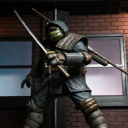
NECA
Collectors and movie fans looking for display pieces turn to NECA, a company that makes licensed action figures, statues, and replica props. Its lines include Teenage Mutant Ninja Turtles figures and Predator toys, with Shredder figures among the character pieces.
Website: necaonline.com |Brands like NECA
Popularity 2.2/10
-
27

Ideal
Electricians and DIY wiremen rely on Ideal's wire strippers and other electrical hand tools for clean, consistent cuts. The company's name also appears on water heaters, dolls and board games, which come from separate product lines that sit apart from...
Website: premiumexperience.org |Brands like Ideal
Popularity 2.1/10
Official websites and social accounts
| Brand | Website | X / Twitter | YouTube | ||
|---|---|---|---|---|---|
| Hasbro | hasbropulse.com | /hasbropulse | hasbropulse | – | – |
| LeapFrog | leapfrog.com | /LeapFrog | leapfrogofficial | @LeapFrog | – |
| Mattel | shop.mattel.com | – | – | – | – |
| Pressman | pressmantoy.com | /PressmanToy | pressmantoy | @pressmantoy | pressmantoy |
| VTech | vtechkids.com | /VTechToys | vtechtoys | @vtechtoys | – |
| Nintendo | nintendo.com | /nintendo | nintendo | @NintendoAmerica | – |
| Jazwares | jazwares.com | – | – | – | – |
| Schylling | schylling.com | /schyllingtoys | schyllingtoys | @schylling | – |
| JAKKS Pacific | jakks.com | /jakkspacifictoys | jakkstoys | @jakkstoys | jakkspr2 |
| Spin Master | spinmaster.com | – | – | – | – |
Toys & Games Buying Guide: Choosing the Perfect Playthings for Kids
When it comes to buying toys and games for children, it can be overwhelming to choose from the vast selection available on the market. There are so many options, from classic board games and educational toys to electronic gadgets and action figures. Moreover, every child has his or her unique interests, skills, and age range, which makes the decision even more complicated. This buying guide aims to help parents, caregivers, and gift-givers select the perfect playthings for children of all ages and interests, taking into account their safety, developmental needs, and entertainment value.
1. Age-Appropriate Toys and Games
One of the most critical factors to consider when buying toys and games for kids is their age range. Every product is designed for a specific age group, and it's crucial to choose accordingly to prevent potential hazards and maximize their learning outcomes. Here is a general guide to age-appropriate toys and games:
- Infants (0-12 months): Simple and colorful toys with various textures and shapes, such as plush animals, teething rings, rattles, and soft books. Avoid toys with small parts, sharp edges, or cords that could cause choking, cuts, or entanglement.
- Toddlers (1-3 years): Toys that stimulate their imagination, coordination, and language skills, such as building blocks, puzzles, dolls, pretend play sets, and musical instruments. Look for toys with smooth surfaces, rounded corners, and non-toxic materials. Avoid toys with small magnets, batteries, or parts that could be swallowed or inhaled.
- Preschoolers (3-5 years): Toys that encourage their creativity, social skills, and cognitive abilities, such as art supplies, board games, books, science kits, and outdoor toys. Consider the child's interests and preferences, and choose toys that challenge them but are not too frustrating or complicated. Avoid toys with sharp corners, long strings, or toxic chemicals.
- Grade Schoolers (6-12 years): Toys that promote their curiosity, problem-solving skills, and physical activities, such as building sets, sports equipment, video games, crafts, and educational toys. Check for age and skill level recommendations on the packaging, and read reviews from other parents or experts. Avoid toys that glorify violence, sexism, or racism, or those that require excessive screen time or sedentary behaviors.
- Teens (13+ years): Toys and games that appeal to their interests, hobbies, and future goals, such as books, tech gadgets, board games, sports equipment, and DIY kits. Consider their maturity level, attention span, and social needs, and choose toys that encourage communication, creativity, and critical thinking. Avoid toys that are too childish or babyish, or those that promote risky behaviors or negative attitudes.
2. Educational Value of Toys and Games
Another factor to consider when choosing toys and games for children is their educational value. Play is not just a form of entertainment; it's also a way for children to learn, explore, and grow. Therefore, it's important to look for toys and games that offer educational benefits that go beyond the fun factor. Here are some examples of how toys and games can promote different types of learning:
- Cognitive Development: Toys and games that promote problem-solving, memory, attention, and reasoning skills, such as puzzles, memory games, word games, and IQ tests.
- Language Development: Toys and games that encourage communication, vocabulary, grammar, and storytelling skills, such as picture books, board games, puppets, and role-playing sets.
- Social Development: Toys and games that build empathy, cooperation, negotiation, and conflict resolution skills, such as team sports, board games, pretend play sets, and puzzles.
- Physical Development: Toys and games that enhance gross motor, fine motor, balance, and coordination skills, such as balls, bikes, scooters, skipping ropes, and sensory play sets.
- Creative Development: Toys and games that foster imagination, self-expression, innovation, and aesthetics skills, such as art supplies, musical instruments, building sets, and crafting kits.
- Environmental Awareness: Toys and games that promote ecological, cultural, and social awareness, such as nature kits, multicultural dolls, history books, and social justice games.
By choosing toys and games that offer educational value, parents can help their children develop a wide range of skills and knowledge without feeling overwhelmed or bored.
3. Safety and Quality of Toys and Games
Perhaps the most crucial aspect of choosing toys and games for kids is their safety and quality. Children are prone to accidents and injuries, especially when playing with toys that are poorly designed, manufactured, or labeled. Therefore, it's essential to choose toys and games that meet the following safety and quality standards:
- Safety Labels: Look for toys and games that have the appropriate safety labels, such as "Age Grade", "Non-Toxic", "ASTM F963", and "UL". These labels ensure that the products have been tested and certified for their safety and compliance with industry standards.
- Size and Shape: Choose toys and games that are appropriate for the child's age, skills, and abilities. Avoid toys that are too small, too big, too heavy, or too sharp, as they could cause choking, suffocation, or other injuries.
- Materials: Check the materials used to make the toys and games, and avoid those that contain toxic or hazardous substances, such as lead, phthalates, bisphenol-A, and cadmium. Look for toys made of natural, organic, or recycled materials whenever possible.
- Design and Construction: Inspect the toys and games for any flaws, defects, or weaknesses that could pose a risk of breaking, cutting, or snapping. Choose toys with smooth edges, sturdy frames, and no loose parts or strings.
- Brand Reputation: Buy toys and games from reputable brands that have a proven track record of quality and safety. Read reviews, ask for recommendations, and do your research before buying from unfamiliar or unfamiliar sources.
By prioritizing safety and quality when buying toys and games for kids, parents can rest assured that their children can play and learn without worries or risks.
4. Interest and Engagement of Toys and Games
Finally, when choosing toys and games for kids, consider their interests and engagement level. Children are more likely to enjoy and benefit from toys and games that match their passions, talents, and personalities. Therefore, it's essential to involve the child in the buying decision and ask for their preferences and opinions. Here are some tips to ensure that the toys and games are interesting and engaging:
- Ask Questions: Find out what the child is interested in or curious about, and ask open-ended questions to encourage discussion and exploration. For example, "What do you like to do in your free time?" "What animals do you want to learn more about?" "What kind of stories do you like to read or watch?"
- Observe their Play: Pay attention to how the child plays and what kind of toys and games they enjoy the most. For example, do they like to build, create, solve puzzles, explore nature, or play with others?
- Personalize the Experience: Choose toys and games that reflect the child's interests and preferences, such as favorite colors, characters, themes, or styles. Add a personal touch, such as a handwritten note, a customized gift wrap, or a special accessory.
- Offer Variety: Avoid buying too many similar or repetitive toys and games. Instead, offer a variety of options that challenge and stimulate different skills and interests. For example, if the child loves animals, offer puzzles, books, dolls, and games that feature different species and habitats.
- Play Together: Participate in the child's playtime and show interest in their toys and games. Share your own skills, knowledge, and experiences, and encourage them to ask questions, make observations, and express their feelings. Join in the fun and create shared memories that last a lifetime.
By choosing toys and games that align with the child's interests and engagement level, parents can foster a love of learning and play that enhances their cognitive, emotional, and social development.
Conclusion
Buying toys and games for kids can be both exciting and challenging. By following this buying guide, parents, caregivers, and gift-givers can choose age-appropriate, educational, safe, and engaging toys and games that suit the child's interests, skills, and personality. Remember that play is a fundamental aspect of children's growth, and investing in quality toys and games can provide countless benefits and enjoyment for the whole family.
